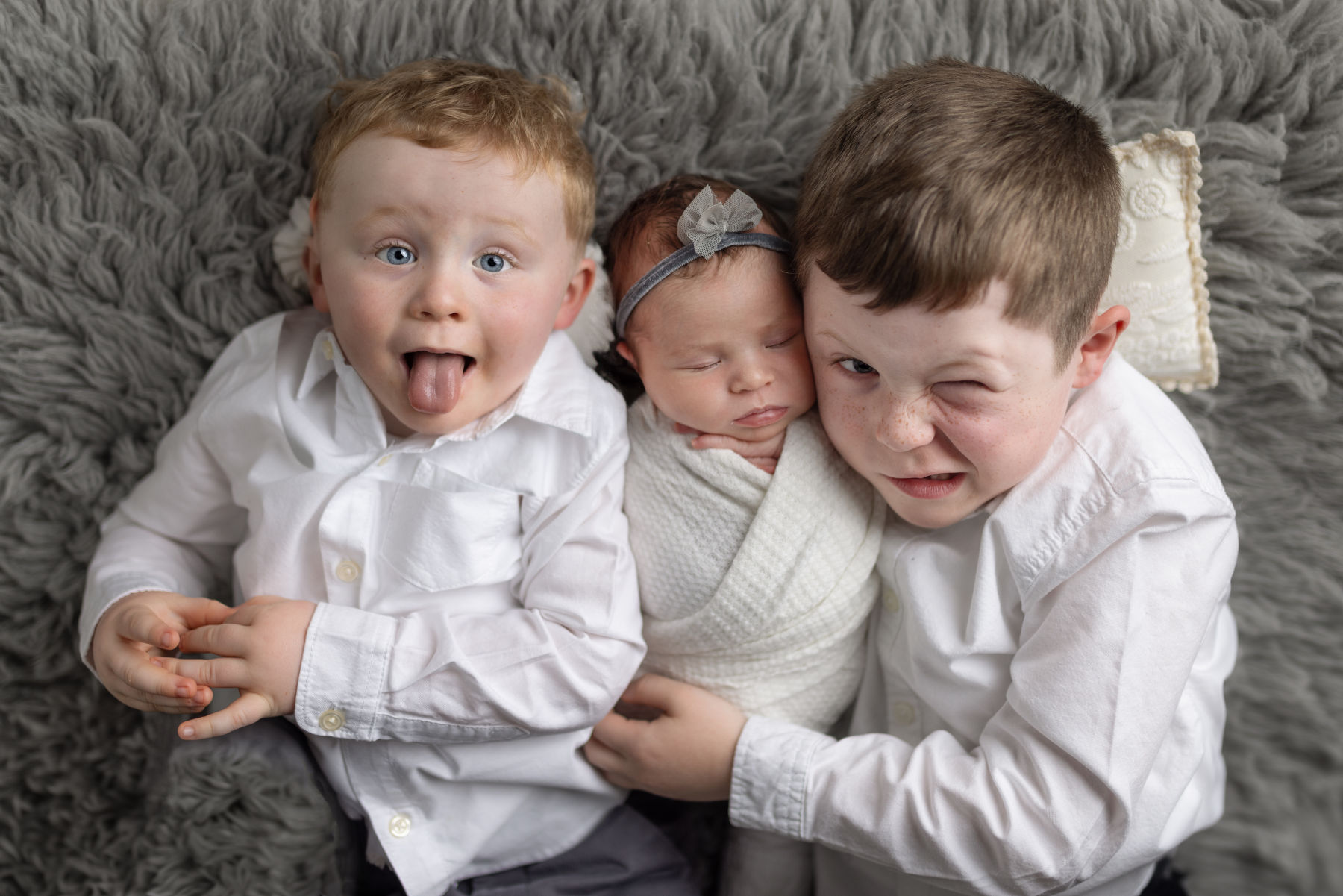
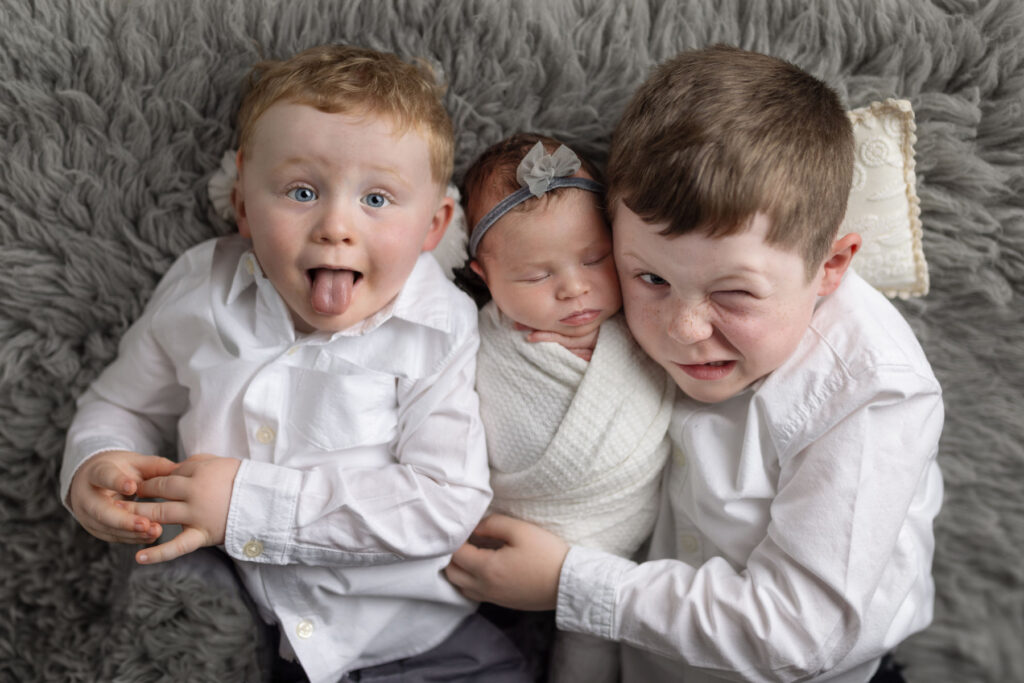
A sibling portrait is rarely about two children looking perfectly at the camera at the exact same moment. It is about the hand a big brother places gently on his new sister, the shy smile that appears after a little patience, or the delighted giggle that tells the truth about life in your family right now. Learning how to prepare sibling portraits begins with letting go of perfection and making room for connection.
For parents, especially in the tender days after welcoming a new baby, that can feel easier said than done. You may be wondering whether your toddler will cooperate, whether your older child will feel left out, or whether anyone will be rested enough for photos. Those concerns are completely normal. A little thoughtful preparation can help your children arrive feeling secure, comfortable, and ready to share a meaningful moment together.
How to Prepare Sibling Portraits Before the Session
The most helpful preparation often happens in the days leading up to your session, not in the car on the way there. Begin by talking about the photo session in simple, positive language. Young children do not need a long explanation. Tell them they will meet a friendly photographer, have some pictures taken with their baby sibling, and may get to help with a special job.
Avoid framing the session as a test of behavior. Phrases such as, “You need to smile” or “Please do not embarrass me,” can create pressure before the session has even begun. Instead, try, “We are going to make pictures of our family together,” or, “I cannot wait to see you snuggle your baby.” This keeps the focus on affection rather than performance.
If a new baby is involved, give the older sibling small opportunities to feel included at home beforehand. They might choose a favorite blanket for the baby, practice gently touching baby’s toes, or help select a stuffed animal to bring along. These simple moments build confidence and reinforce that they have an important place in this changing family story.
Protect naps, meals, and familiar routines
A well-rested, fed child has a much easier time settling into an unfamiliar activity. Whenever possible, schedule around your children’s usual sleep and meal rhythms. If the session lands near a nap or lunch, bring familiar snacks and water for afterward or for a brief break.
For newborn sessions, the baby’s needs will naturally guide the pace. A calm studio experience allows time for feeding, soothing, diaper changes, and sibling breaks. Parents do not need to force a schedule that does not fit their family that day. A patient photographer knows that young children need room to reset.
Try to keep the morning itself as unhurried as possible. Lay out clothes the night before, leave extra time for getting out the door, and resist adding too many errands beforehand. Children can feel when the adults around them are rushed. A calmer parent often helps create calmer children.
Choose Outfits Children Can Actually Enjoy Wearing
Coordinated clothing photographs beautifully, but comfort matters just as much. An itchy collar, stiff shoes, or a dress a child has never worn before can quickly become the center of their attention. Choose outfits that feel like a slightly elevated version of your children, not a costume they have to endure.
Soft textures, gentle colors, and timeless pieces tend to keep the attention where it belongs: on your children’s expressions and their relationship. Rather than matching every person exactly, choose a complementary color palette. Cream, warm beige, soft blue, muted green, dusty rose, and natural textures often work well together, especially for newborn and milestone portraits.
Have your child try on their outfit before session day. Let them move, sit, and raise their arms in it. If they are sensitive to certain fabrics or tags, address that in advance. For toddlers, a familiar backup layer can be useful if they become chilly or need a quick change.
It also helps to avoid promising a new outfit as a special surprise if your child is particular about clothing. Familiar favorites are often the safer choice. A happy child in a simple, comfortable outfit will photograph far more beautifully than an uncomfortable child in something elaborate.

Prepare for Real Life, Not Perfect Cooperation
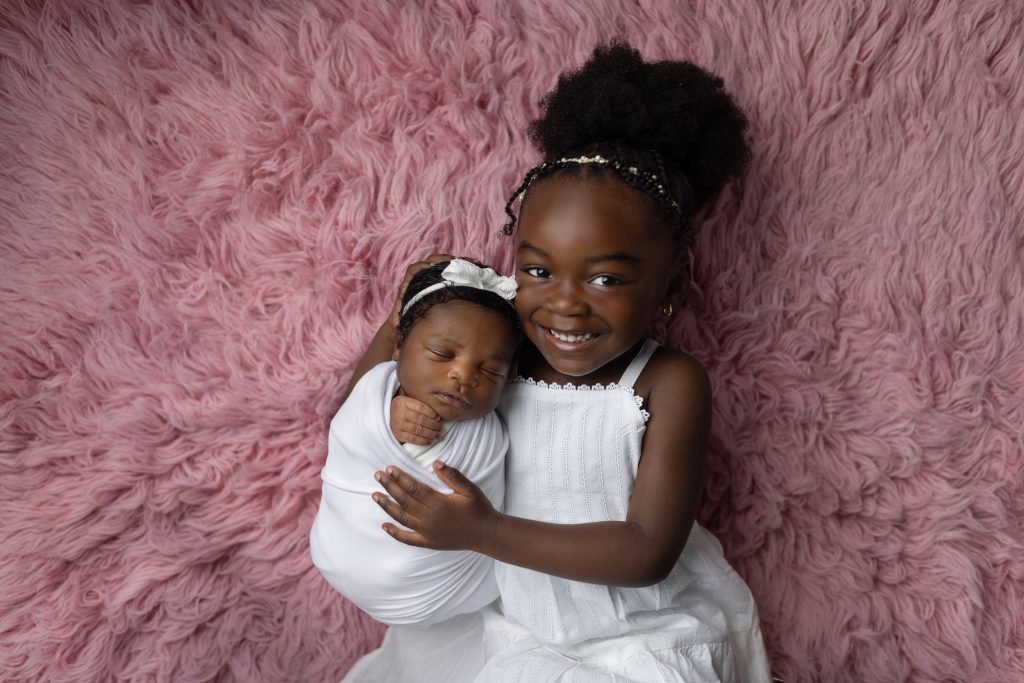
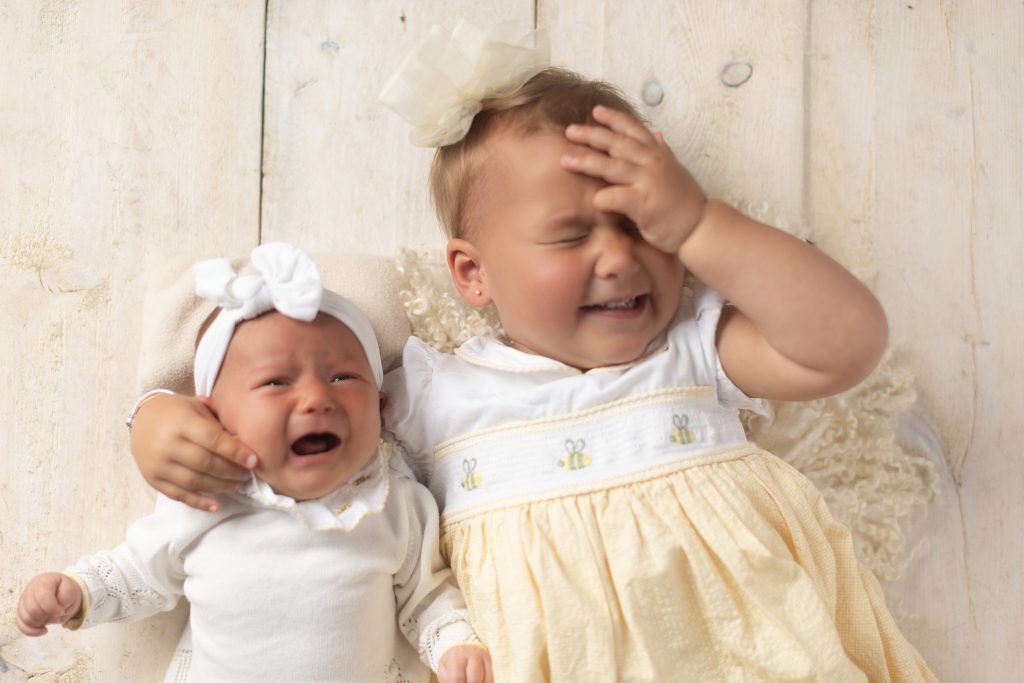
The most beautiful sessions make space for children’s real emotions. A toddler may need to move. A preschooler may suddenly decide they do not want to be photographed. An older sibling may need reassurance that they will have their own moment in front of the camera, too.
When this happens, try not to negotiate from a place of panic. The more urgently adults ask for a smile, the more a child may pull away. Take a breath. Let your photographer lead when possible, and give your child a short break if they need one.
Bringing one small comfort item can help, especially for younger children. A beloved stuffed animal, a favorite blanket, or a tiny family memento may offer reassurance. If it appears in a few images, that is not necessarily a problem. Years from now, that familiar object may be part of what makes the portrait feel so true to this season of childhood.
Treats can work well after the session, but it is usually best not to make them the central focus before every photograph. Instead of repeatedly saying, “Smile and you can have a snack,” keep the reward simple and matter-of-fact. A planned stop for a favorite treat afterward can give everyone something pleasant to anticipate.
Trust the Process When Children Are Different Ages
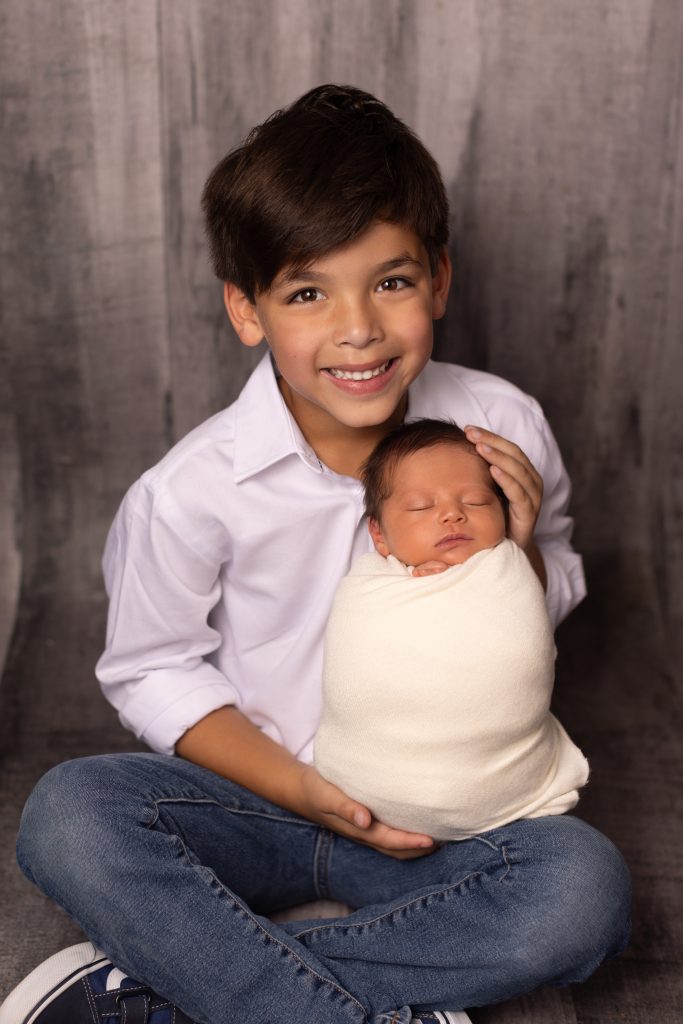
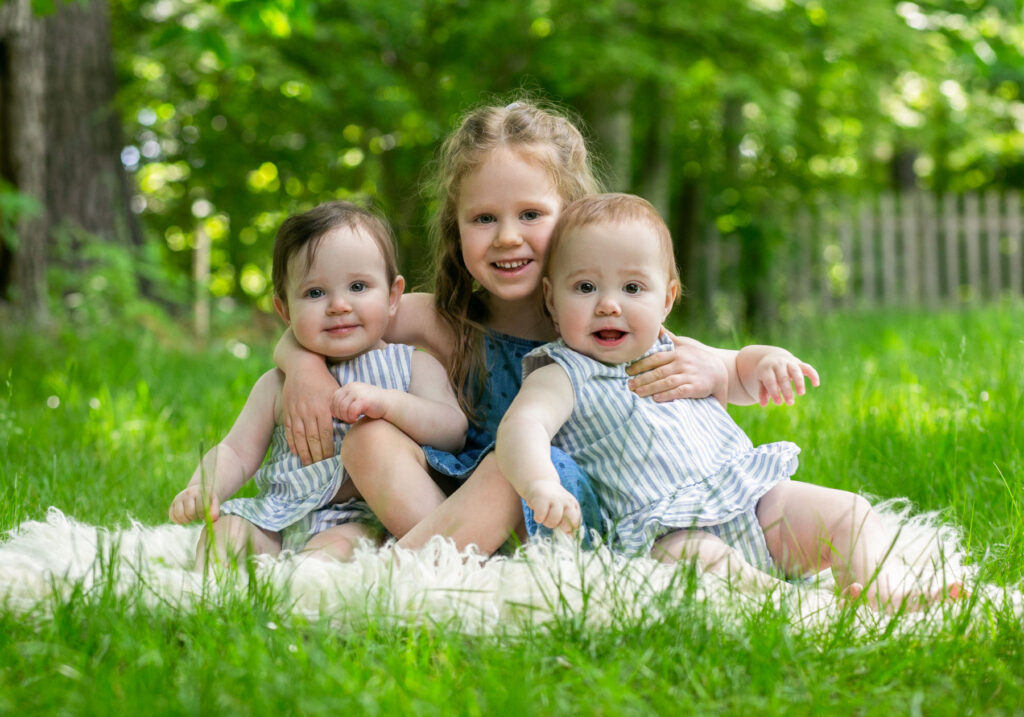
Sibling portraits look different depending on your children’s ages, and that is exactly as it should be. With a newborn and a toddler, safety and patience come first. The toddler may be photographed beside the baby rather than holding them, or they may offer a kiss while an adult remains close by. Those arrangements can be just as tender as a traditional pose.
With school-aged children, there may be more opportunity for gentle play, whispered jokes, and genuine interaction. Older siblings often respond well when they are treated with respect and given a clear sense of what will happen. They do not need to be told to act like grown-ups. They simply need to know they will be seen, too.
Large age gaps can create especially meaningful portraits. An older sibling’s protective pride beside a new baby tells a story that no carefully arranged pose can manufacture. The goal is not to make siblings look identical in personality or energy. It is to preserve the relationship they share at this particular moment in time.
At Alternate Angles Photography, sibling sessions are guided with both artistry and patience, allowing children room to settle in while parents are supported through every small change of plan. You do not have to arrive with perfectly cooperative children or a flawless routine. You only need to arrive as your family is.
Years from now, you may not remember whether your toddler sat still for thirty seconds or whether someone needed an extra snack before the session. You will remember the small arm around a sibling, the curious glance toward a new baby, and the beautiful truth that these children were growing up together.
Set Expectations That Feel Safe, Not Serious
Children do best when they understand the basic plan but do not feel burdened by the outcome. Let them know there may be a few moments of sitting close, holding hands, or giving their sibling a gentle hug. Then leave room for them to be themselves.
You do not need to rehearse poses at home. In fact, extensive practice can make the experience feel more formal than it needs to be. A skilled photographer will guide children into natural moments through conversation, play, and age-appropriate prompts. Sometimes the best sibling images happen between the posed moments, when an older child leans in to investigate tiny fingers or bursts into laughter after a silly sound.
If your child is shy, there is no need to label them as shy repeatedly in front of the photographer. Simply share what helps them warm up. Perhaps they prefer a few minutes to observe, respond best to a favorite song, or feel more comfortable sitting beside a parent first. This kind of information helps create the right pace without putting a child in a box.
Give older siblings a role
Becoming a big sibling is a major transition. Even children who adore their new baby may be sorting through big feelings about sharing attention. Inviting them to be helpful can make a meaningful difference.
You might ask them to show the photographer their baby’s tiny feet, hold a favorite toy nearby, or choose whether they want to sit beside the baby or lie next to them. Offering small, appropriate choices gives children a sense of control. It also communicates that their role in the family is valued.
Be careful not to place too much responsibility on an older child, particularly around a newborn. Their job is not to keep the baby calm or pose perfectly. Their job is simply to be a loved and included part of the family.
MORE READING