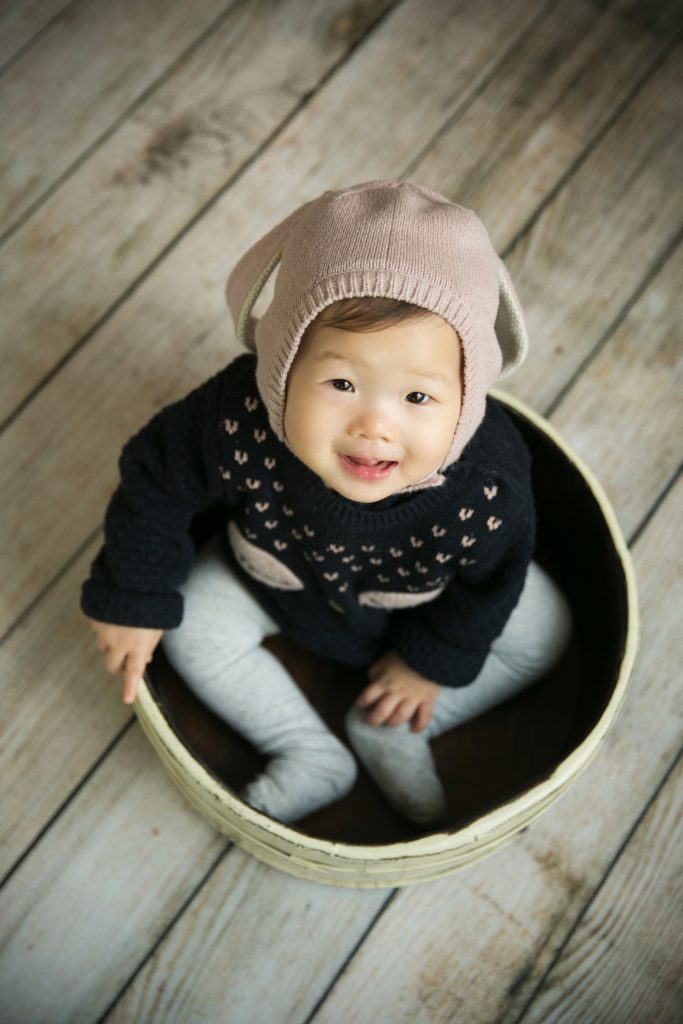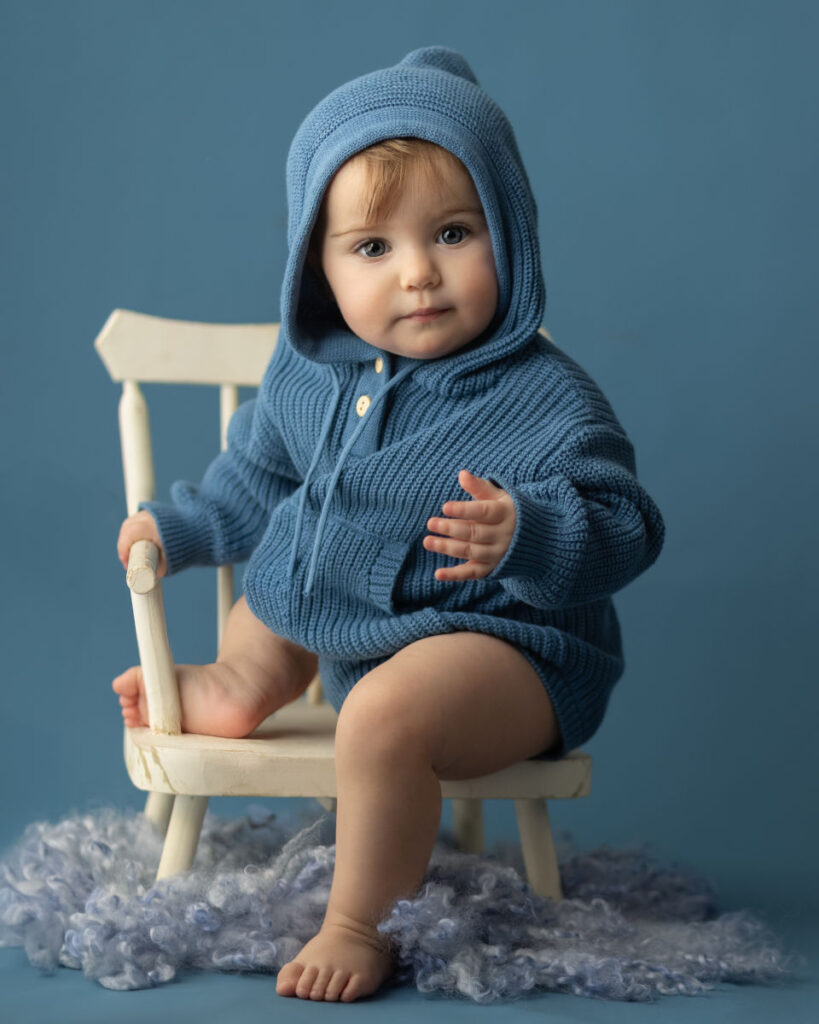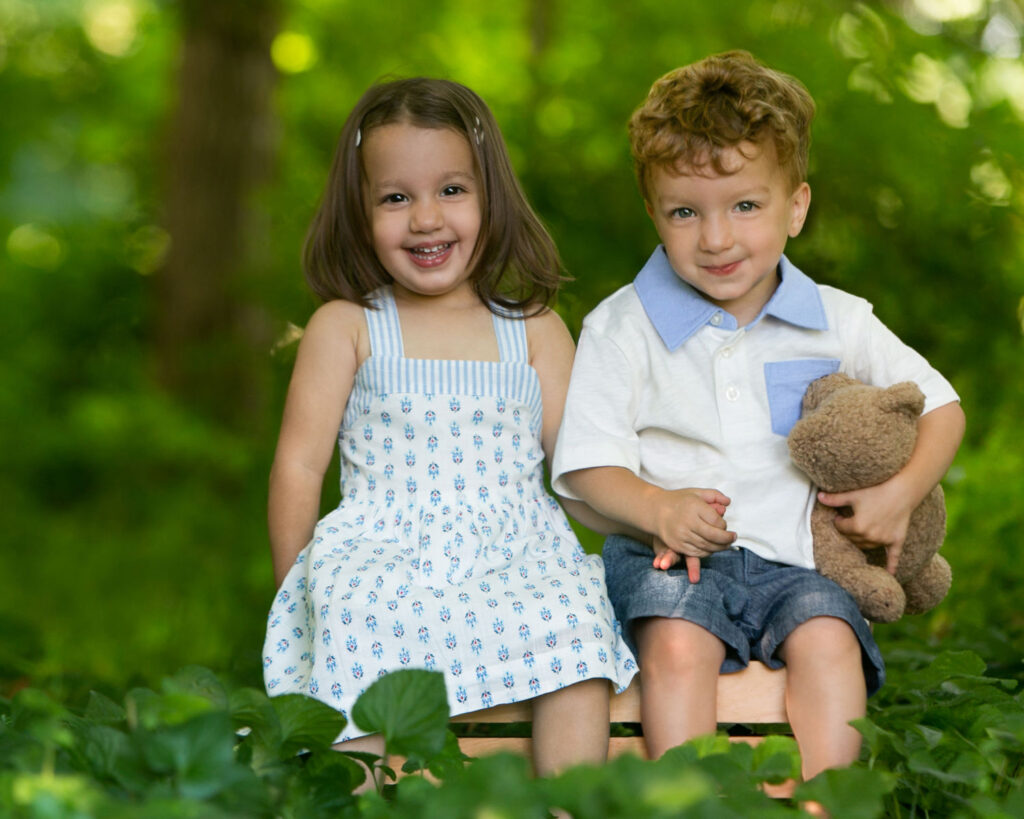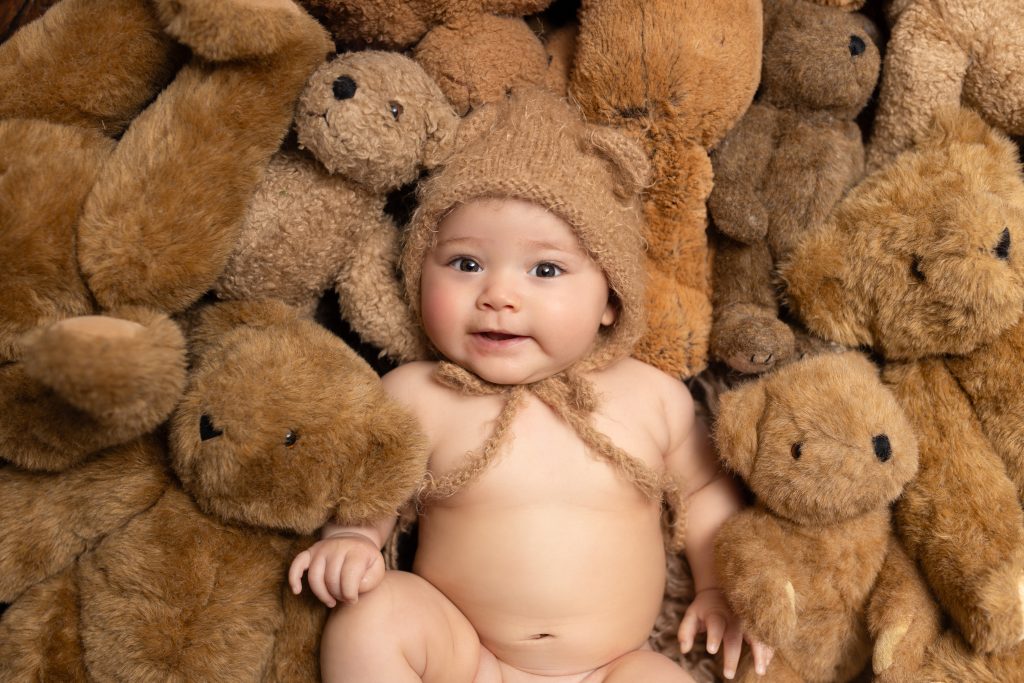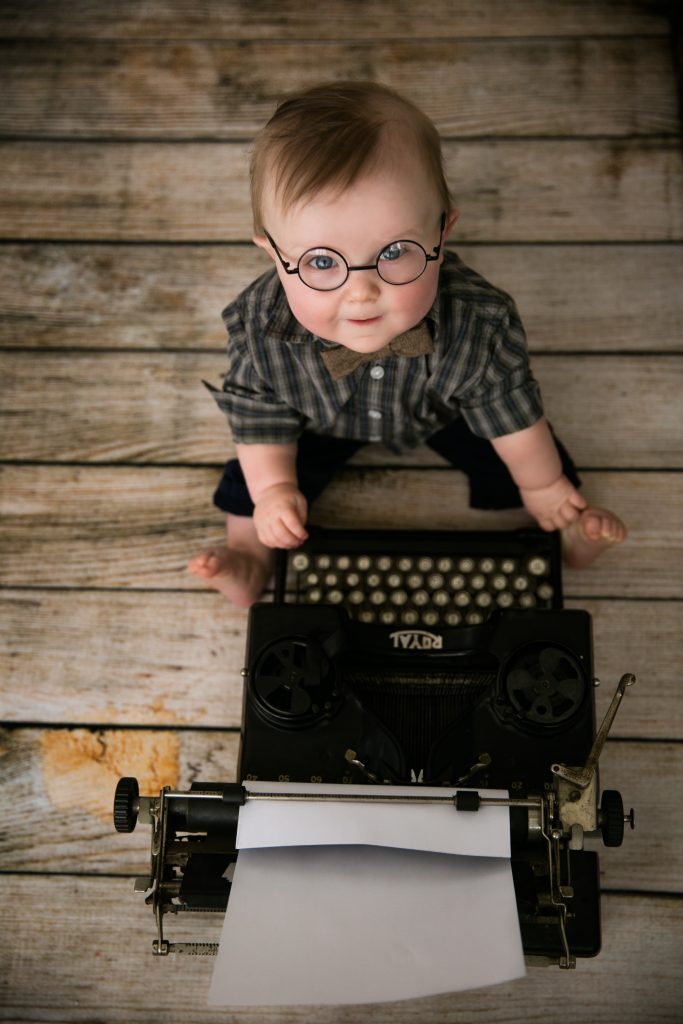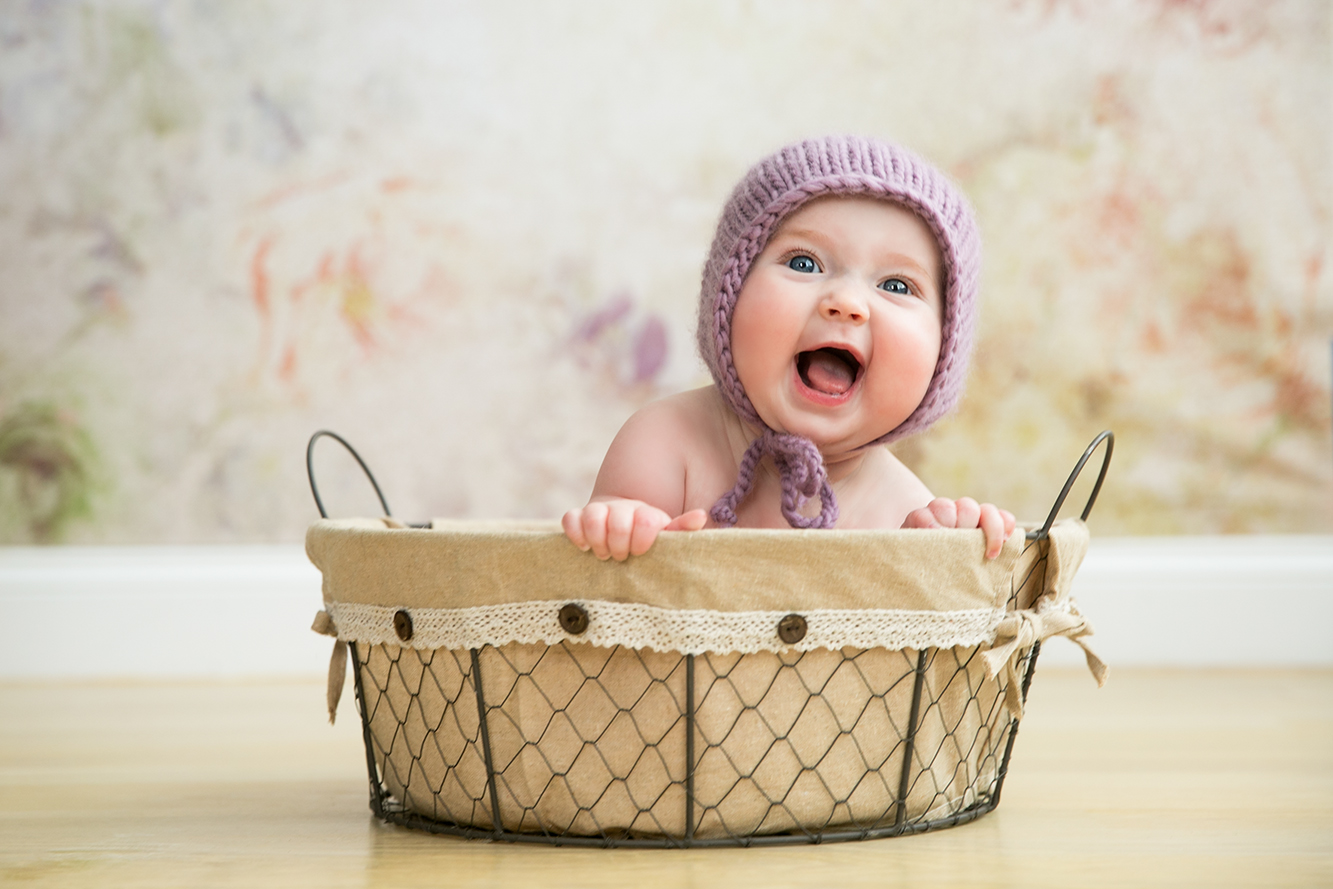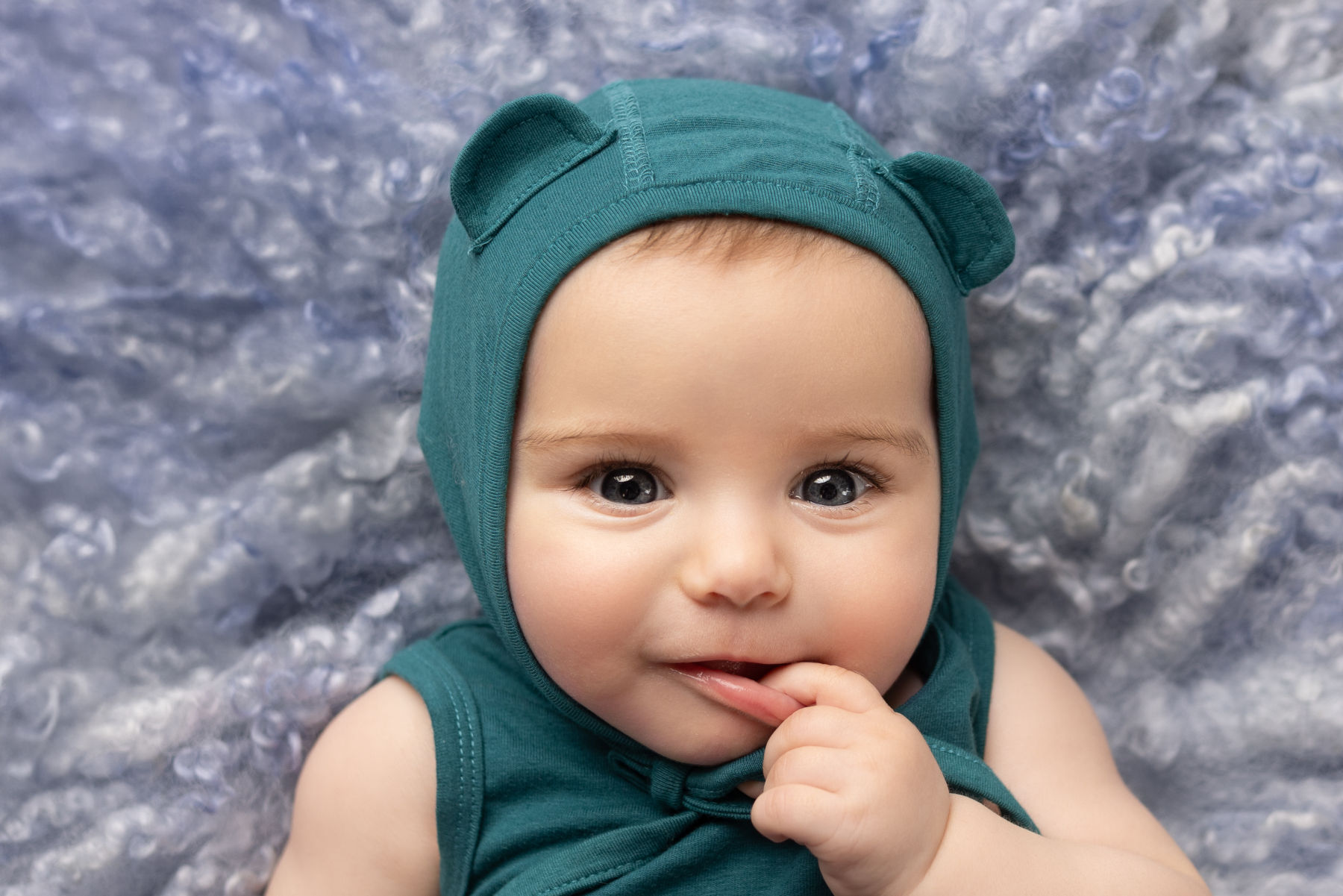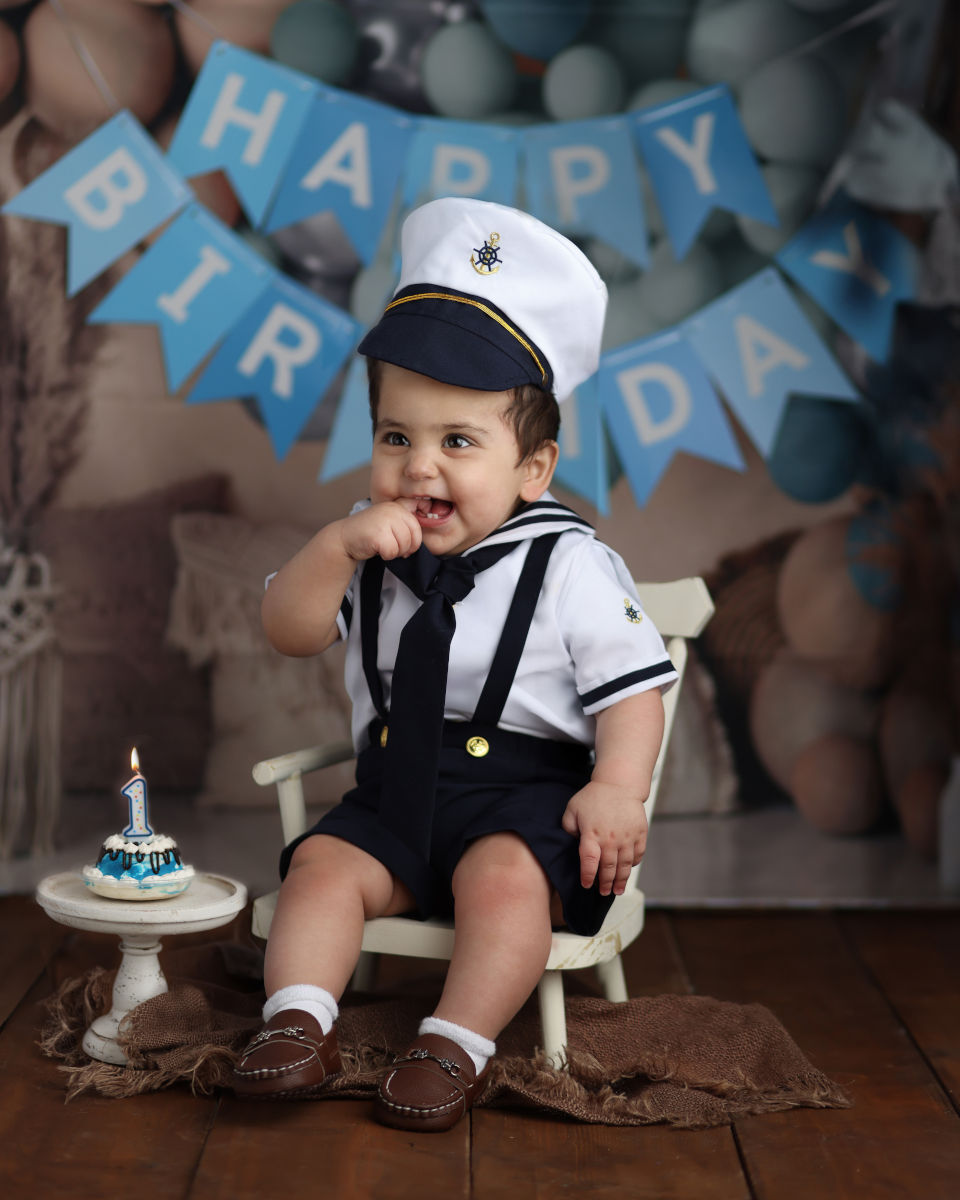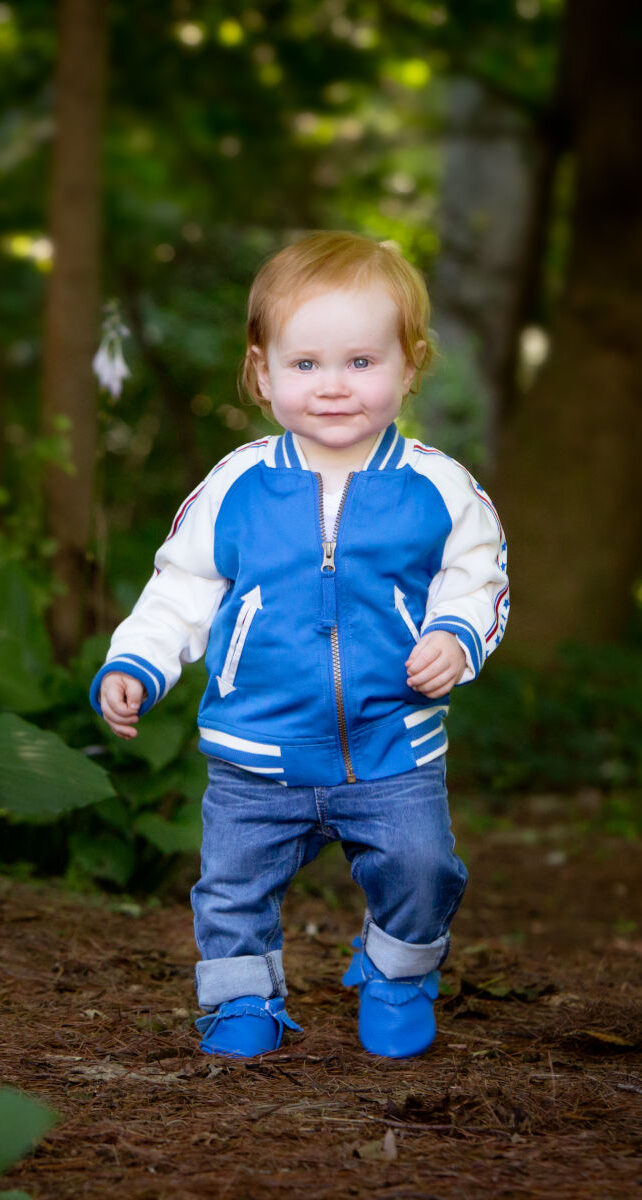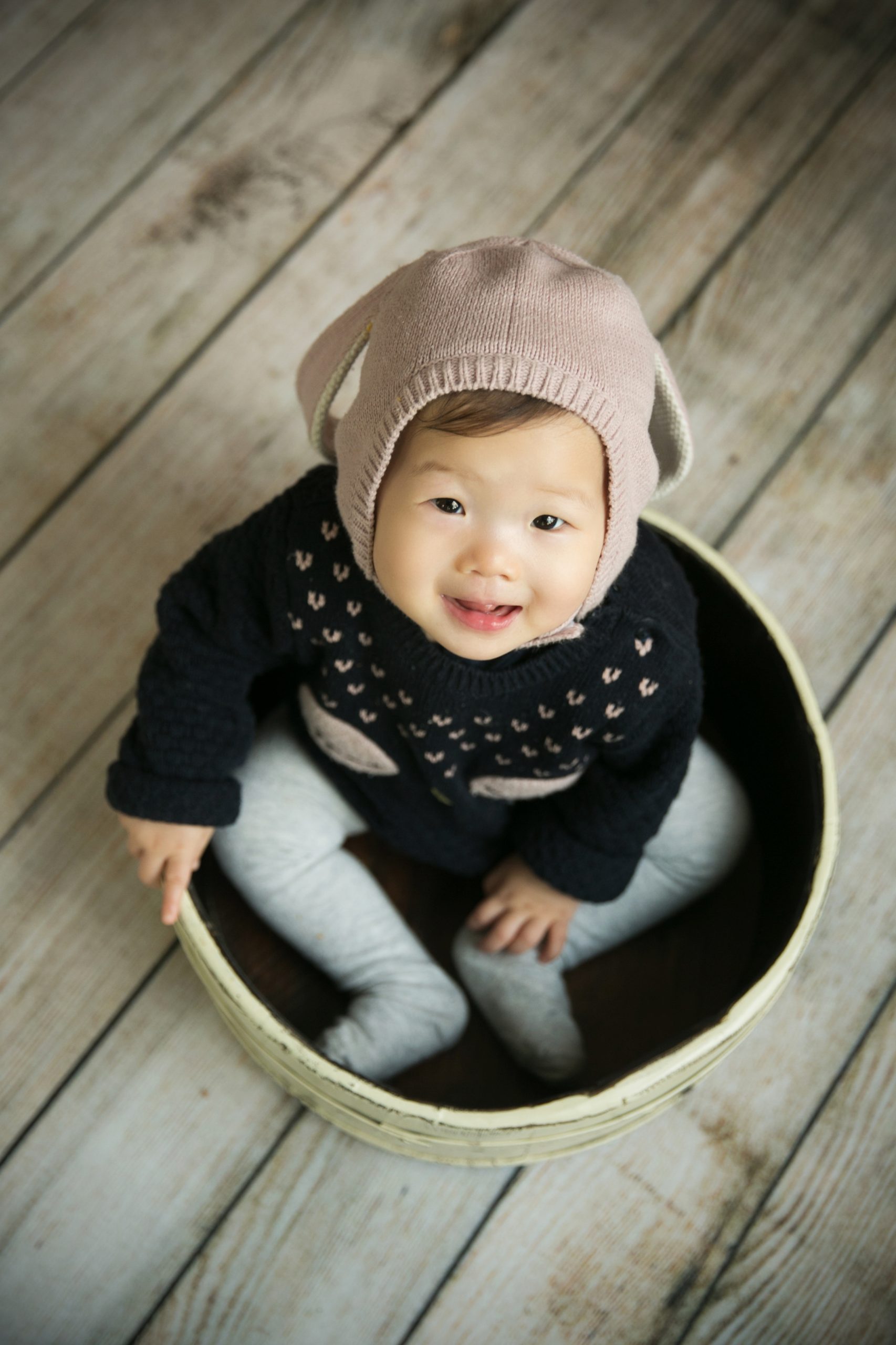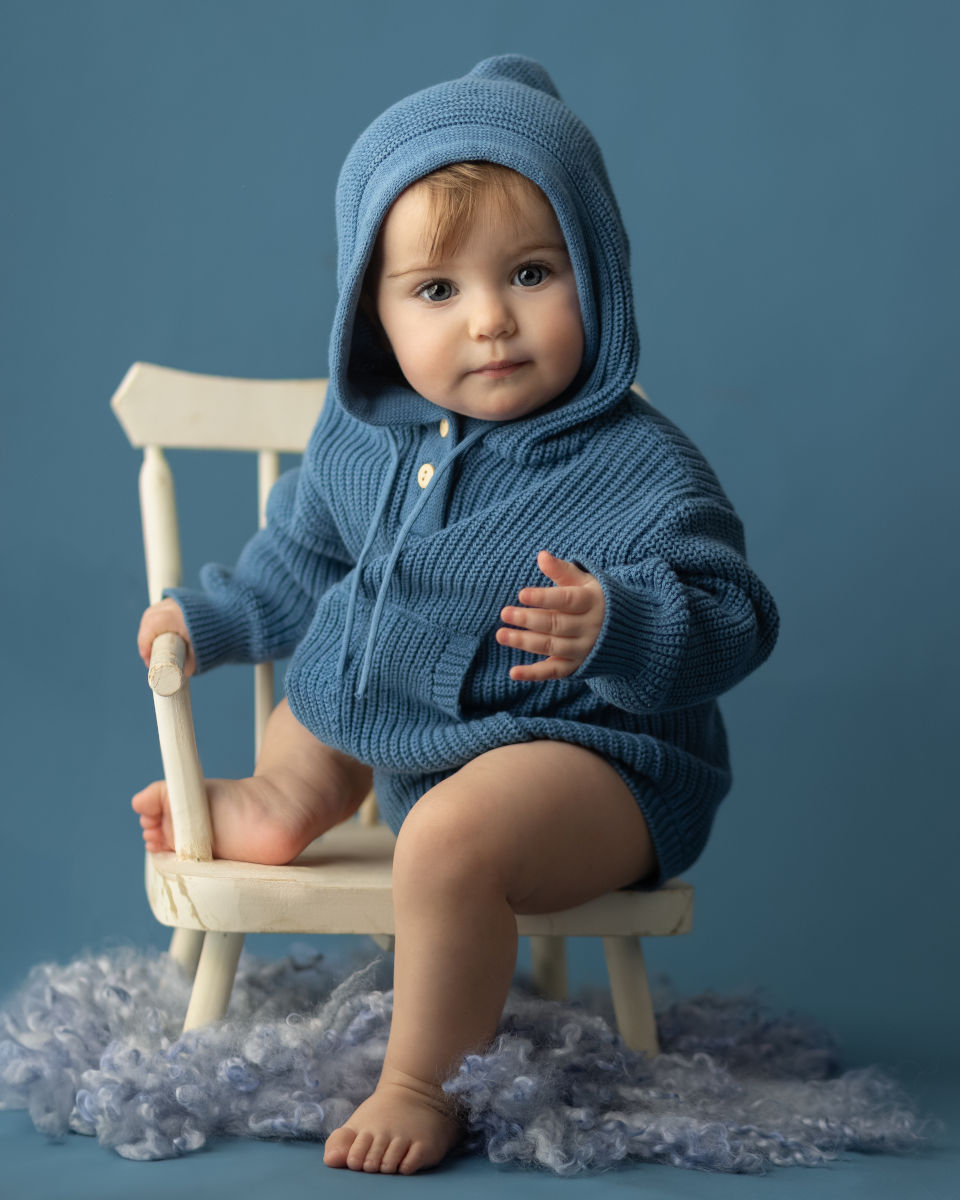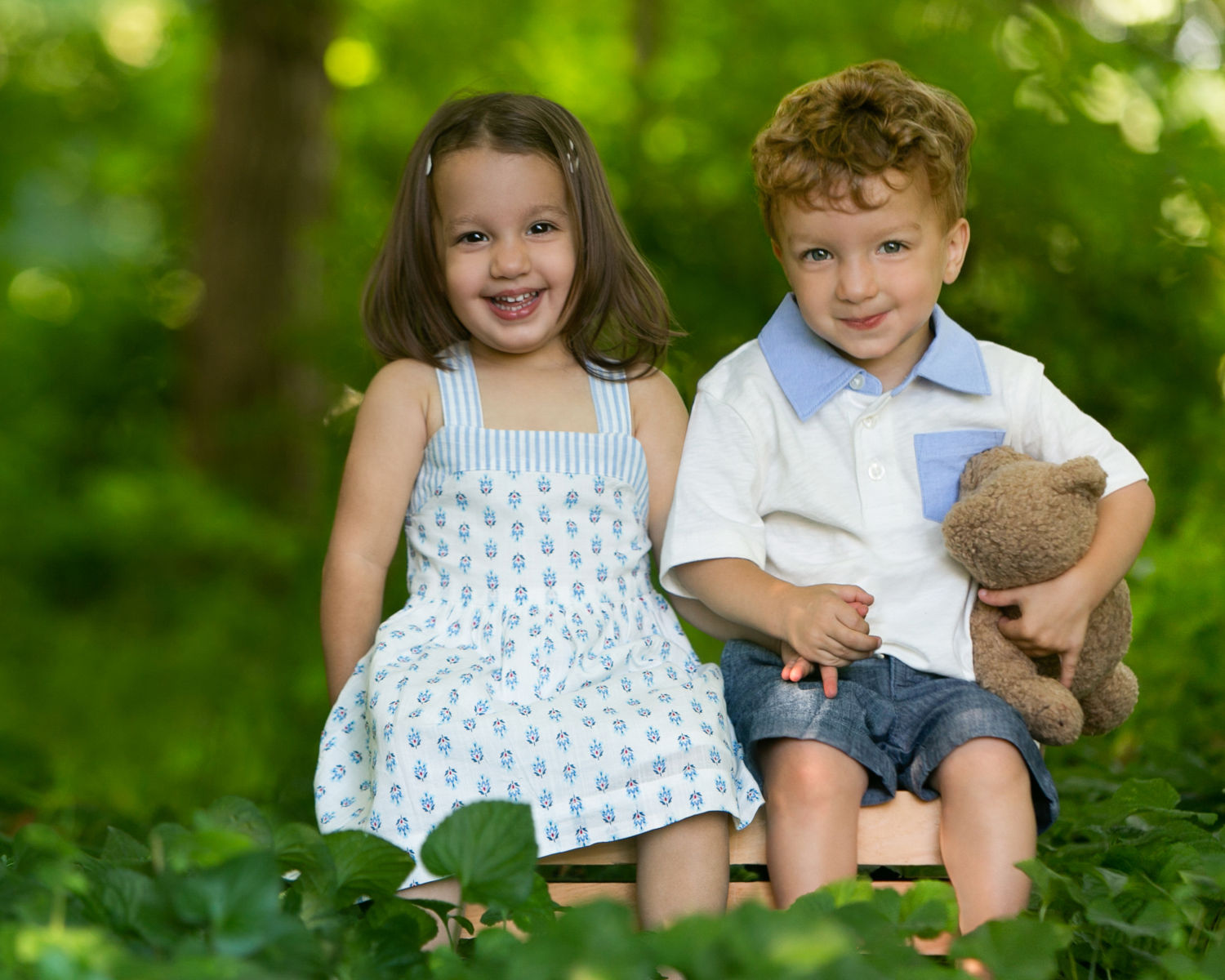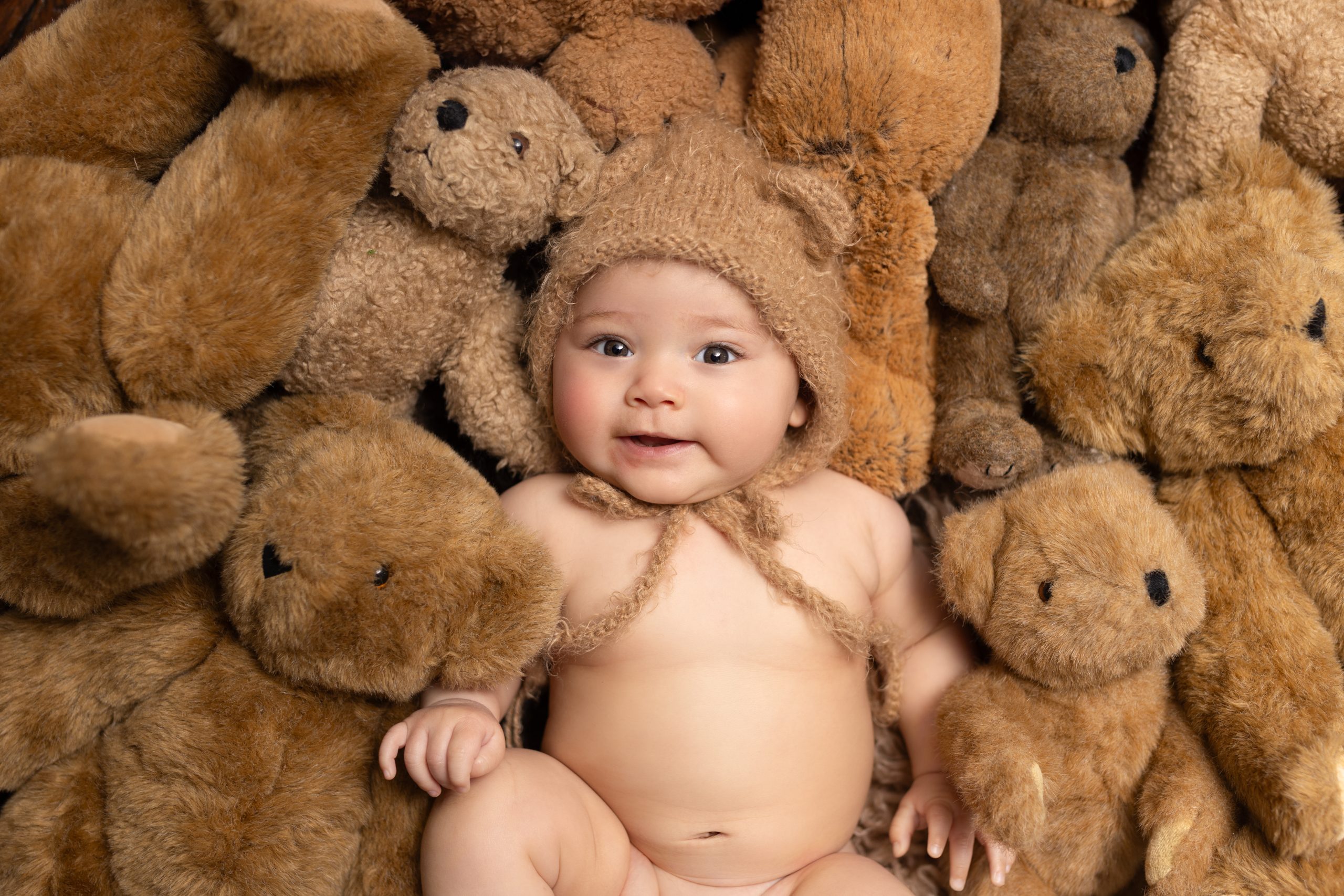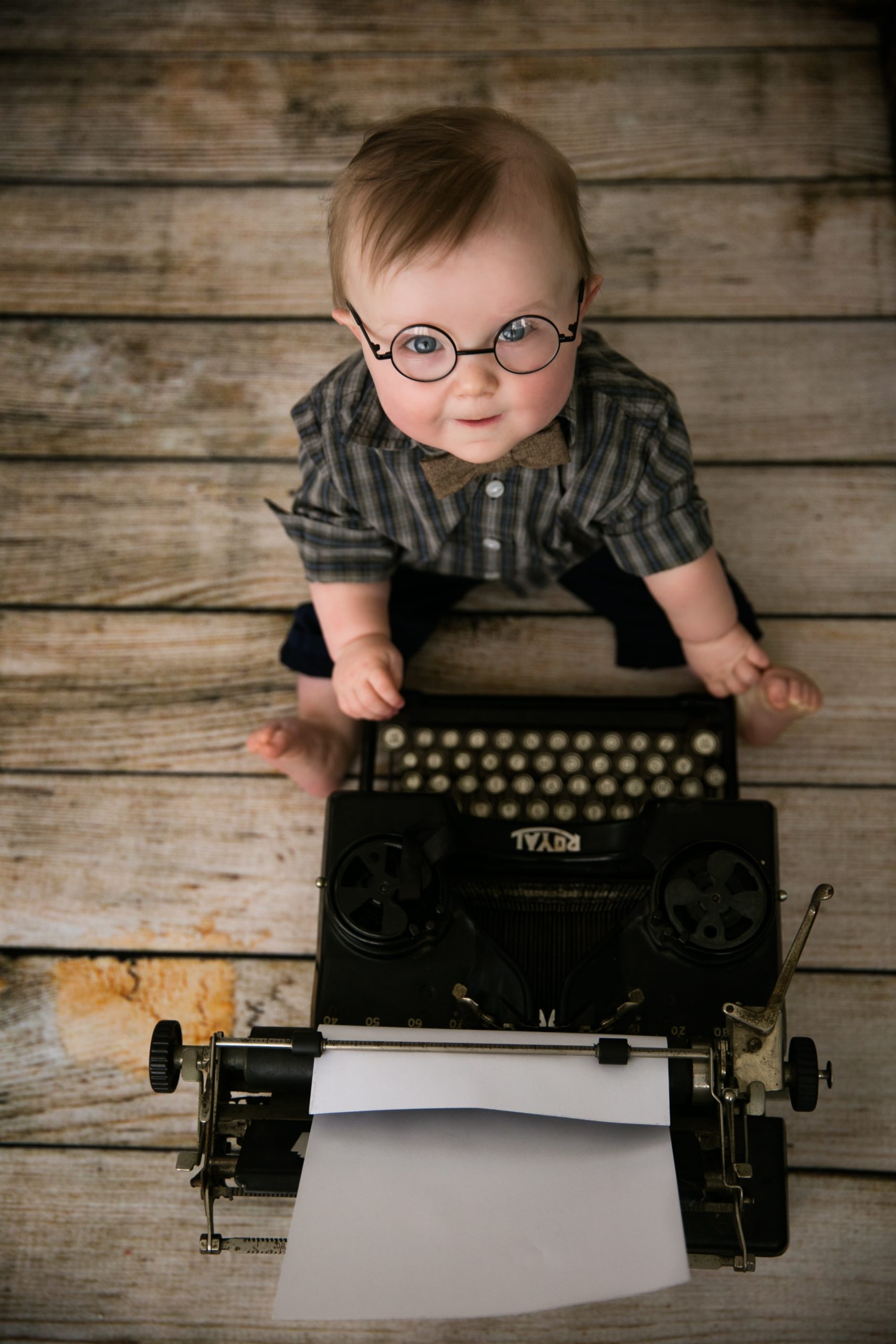
A baby will not perform on command, and that is exactly why the most meaningful milestone portraits are rarely about perfect poses. This guide to baby-led portrait sessions is for parents who want to preserve their little one as they are right now: the serious first look, the wide open laugh, the determined crawl, and the quiet moment of being held close.
A baby-led session makes room for all of it. Rather than asking your child to fit a rigid plan, the experience follows their comfort, attention span, and natural rhythms. With thoughtful preparation and gentle direction, those unscripted moments can become the polished, heartfelt images your family will treasure.
What Is a Baby-Led Portrait Session?
Baby-led portrait sessions are designed around the child in front of the camera. Their developmental stage, personality, mood, and needs shape the pace and flow of the session. A baby who is happiest on their tummy might begin there. One who has just learned to sit may shine while reaching for a favorite toy, clapping, or turning toward a parent’s familiar voice.
This does not mean the session is unplanned. A professional photographer still considers light, composition, wardrobe, backgrounds, and timing. The difference is that the plan stays flexible. Instead of forcing a smile or holding a position longer than a baby can comfortably manage, we create a calm setting where genuine expressions have room to appear.
For parents, this approach can feel like a relief. You do not need to promise a perfectly behaved baby, practice smiles at home, or worry that a wobbly sitter will ruin the photographs. The little in-between moments are often the ones that reveal the most.
Why Following Your Baby’s Lead Creates Better Portraits
Babies communicate clearly, even before they have words. They tell us when they are curious, tired, hungry, overstimulated, or ready for a change of scene. Listening to those cues is both kinder to your child and more likely to result in photographs that feel alive.
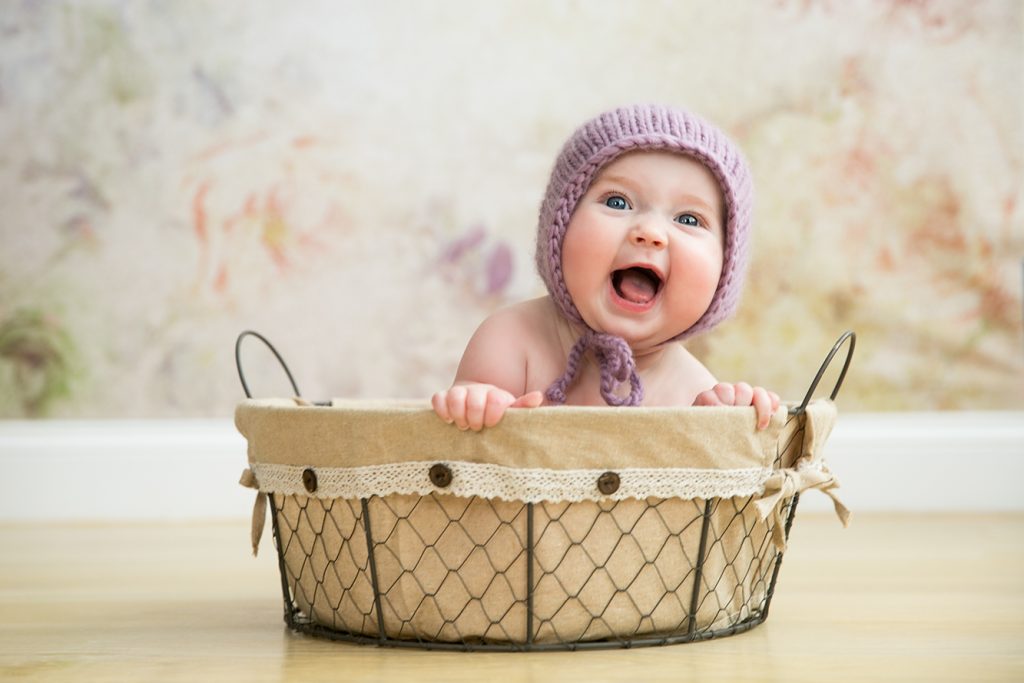
A relaxed baby is more open to connection. They may watch the camera with enormous curiosity, share a grin with a parent just outside the frame, or concentrate deeply on their own hands. These expressions are not filler between the “real” images. They are the real images – an honest record of who your baby was during this fleeting chapter.
There is a practical benefit, too. Babies have short attention spans, particularly around the six- to twelve-month milestones when so much development is happening at once. A session that moves with them can pause for a snack, a diaper change, a cuddle, or a reset without treating any of those needs as a setback.
Choosing the Right Time for Your Baby
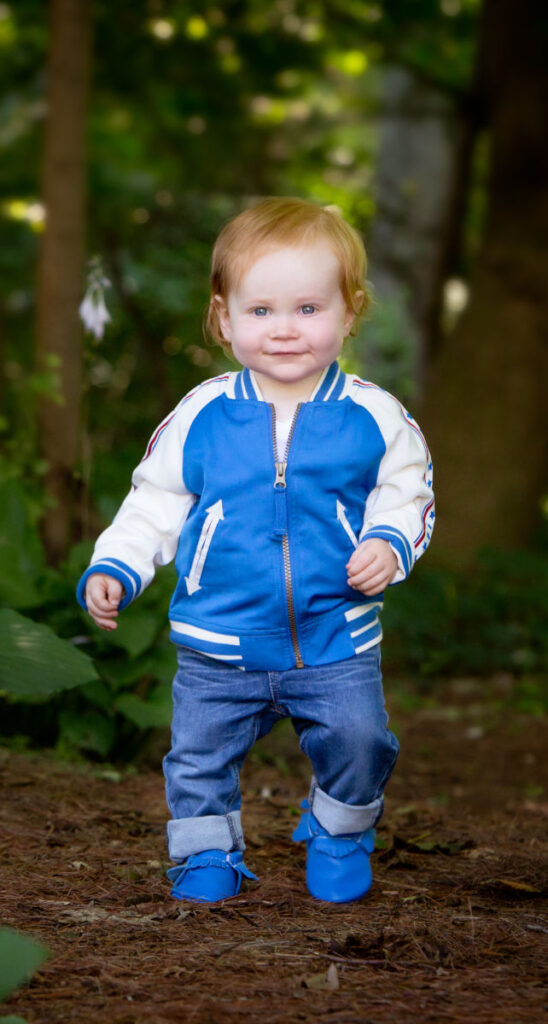
The best age depends on the milestone you hope to remember. Around three to four months, many babies are beginning to hold their heads up and offer more eye contact. At about six to eight months, sitting independently or with minimal support opens up beautiful possibilities for expressive portraits. Around one year, you may be documenting crawling, cruising, tentative first steps, and a personality that is suddenly much more obvious.
The ideal time of day is usually after your baby has slept and eaten. For some families, that is a morning appointment; for others, it is later in the day. Try not to schedule around a time when your child is usually due for a nap. A rested baby will have more patience, but perfection is not required. Even a cautious or quiet baby can create wonderful images when they are given time to settle in.
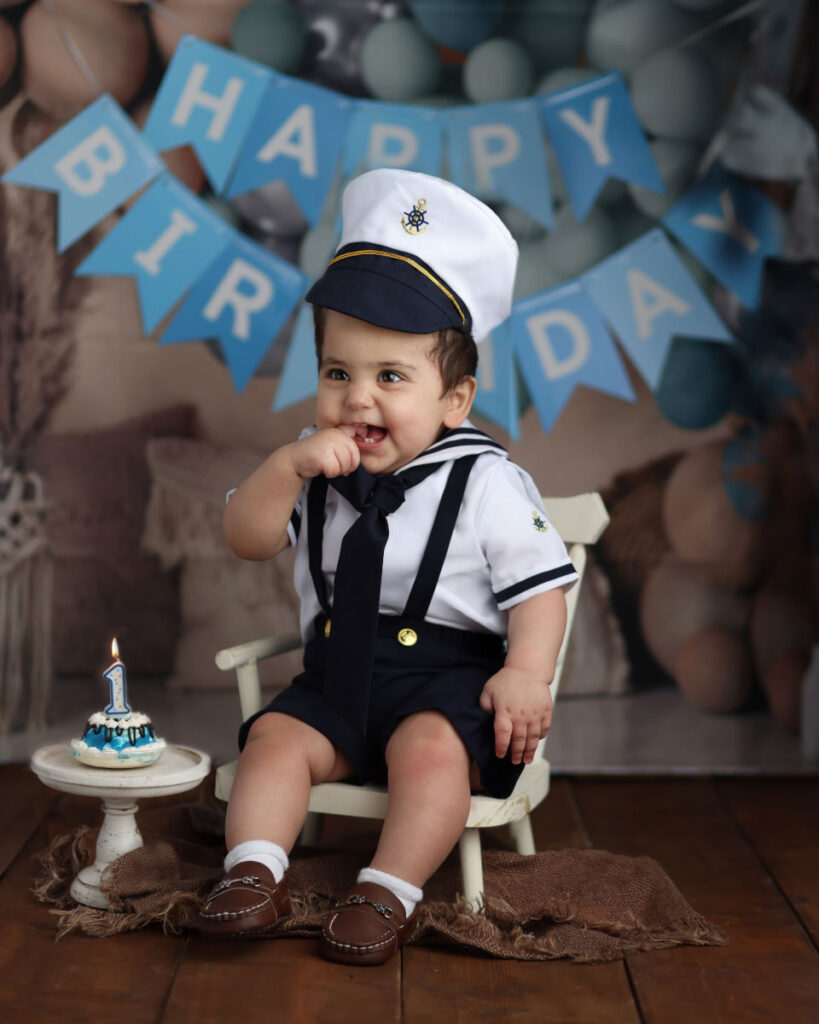
If you are planning a first-birthday session, consider whether you want to focus on classic portraits, a simple celebration, or both. A cake-focused portion can be joyful, but it is not the right fit for every child. Some babies dislike sticky hands, unfamiliar textures, or being watched while they eat. Beginning with clean, connected portraits gives your gallery depth, whether or not a celebratory moment is included later.
How to Prepare Without Overpreparing
The goal is to arrive feeling cared for, not rushed. Keep the morning as ordinary as possible, allow extra time for feeding and getting out the door, and bring the essentials your child uses every day. A comfort item, pacifier, small snack, and extra diapers can be helpful, though we will generally set them aside when it is time to photograph.
Avoid introducing a brand-new toy or outfit just for the session if your baby tends to be sensitive to change. Familiarity matters. A beloved song, a silly sound from a parent, or a well-loved stuffed animal can help your child feel secure. If a special toy appears in a few images, that may be a meaningful detail of this season rather than something to edit out.
Parents often worry about clothing more than they need to. Soft, well-fitting pieces in timeless colors photograph beautifully and allow your baby to move comfortably. Busy logos, stiff fabrics, and outfits that require constant adjusting can pull attention away from your child’s face. For family images, choose colors that coordinate rather than match exactly. Gentle texture and a shared color palette tend to feel more natural than identical outfits.
At Alternate Angles Photography, wardrobe and prop guidance are part of making the experience feel easier. You should not have to become a stylist while caring for a baby. A simple, thoughtfully prepared studio setting keeps the focus where it belongs: on your child and the connection you share.
What to Expect During the Session
A baby-led session usually begins slowly. Your baby may need a few minutes to take in the room, study the camera, or stay close to you. That is completely normal. There is no benefit in rushing the transition from your arms to the set.
Once your baby is comfortable, the photographer will gently invite interaction through movement, sounds, play, and parent connection. We may capture them sitting, lying on their tummy, standing with support, or exploring within a safe, simple space. If they are crawling, that motion becomes part of their story. If they need to be held, those arms become part of the portrait.
Parents are not merely assistants during this process. Your voice, touch, and presence are often the best tools for bringing out your baby’s expression. You may sit nearby, hold a hand for balance, offer reassurance, or step into the frame for a few family portraits. Those images can become especially precious because they show not only what your baby looked like, but how loved they felt.
When Your Baby Is Not in the Mood
A difficult start does not mean the session has failed. Babies can be shy in a new environment, teething, going through a developmental leap, or simply having an off day. An experienced photographer knows how to read the room and adjust.
Sometimes that means changing the setup, lowering stimulation, letting your child stay in a parent’s arms, or taking a short break. Sometimes it means accepting that a solemn expression is your baby’s authentic expression that day. Not every portrait needs a toothy grin to be beautiful.
There are limits, of course. If a baby is truly unwell, exhausted, or inconsolable, pushing forward is rarely worth it. A caring studio will prioritize your child’s wellbeing over a checklist of shots. Flexibility is not a lack of professionalism. It is part of creating a safe, respectful experience for your family.
The Images You Will Value Years From Now
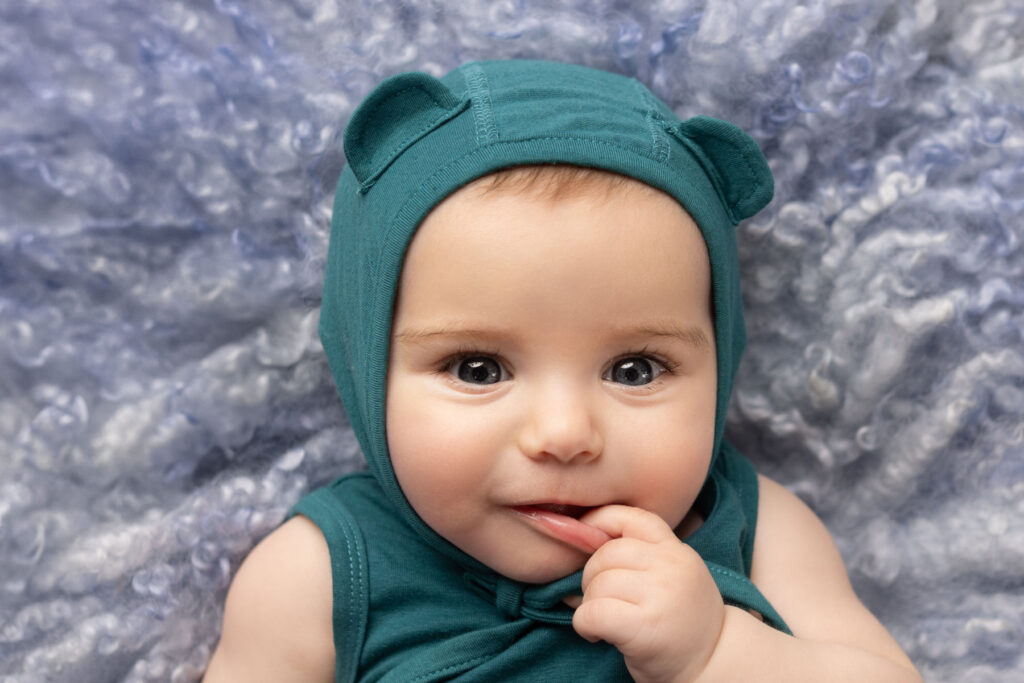
It is easy to focus on the obvious milestone – sitting, crawling, standing, or turning one. Yet the details around that milestone are often what make the photographs more emotional with time. The roundness of baby hands. The way they grip your finger. A cautious glance before a smile. The tiny crease in their wrist. The expression they make when they hear your voice.
A baby-led session preserves those details without asking your child to be anyone other than themselves. The result is refined portraiture with feeling behind it: images that look beautiful on your walls and bring you right back to the warmth, wonder, and tenderness of this particular age.
Your baby does not need to cooperate perfectly to be photographed beautifully. They only need the space to be comfortable, curious, and loved – and that is already more than enough.