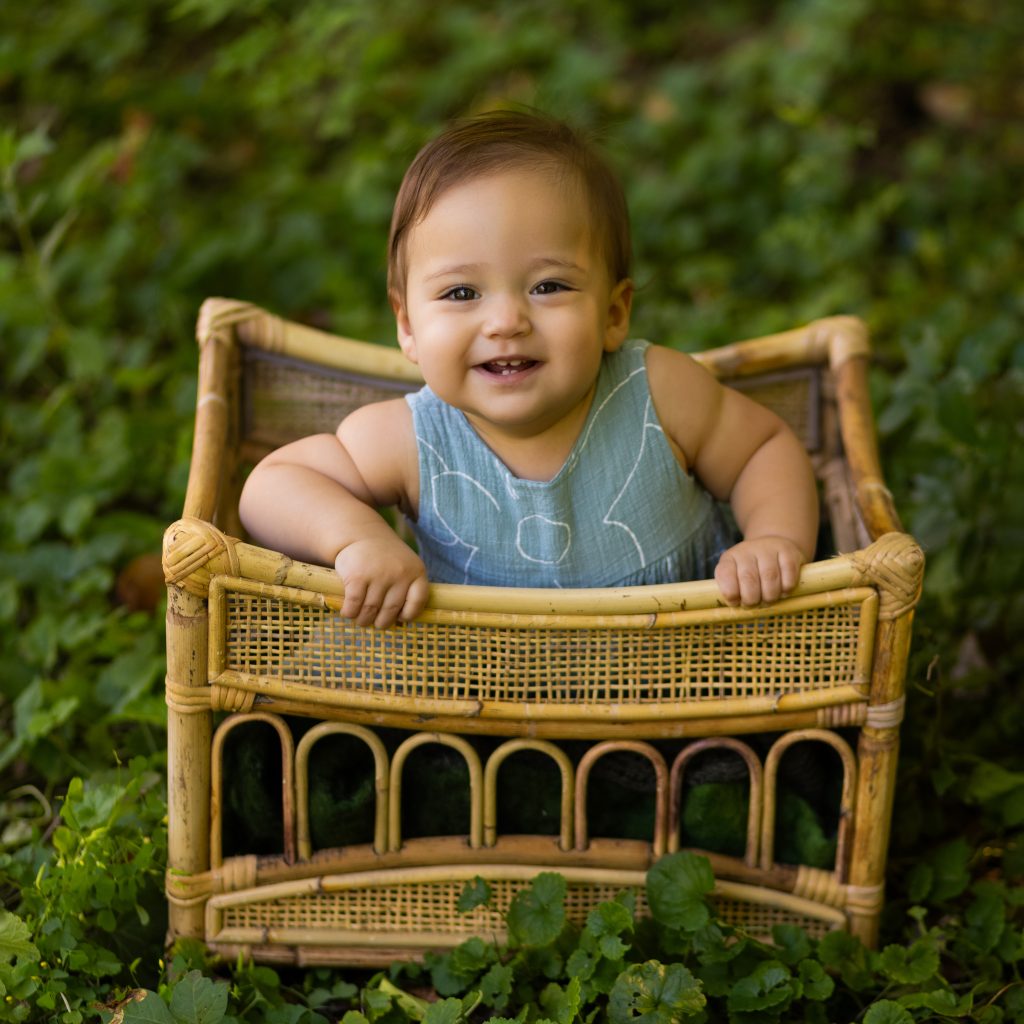
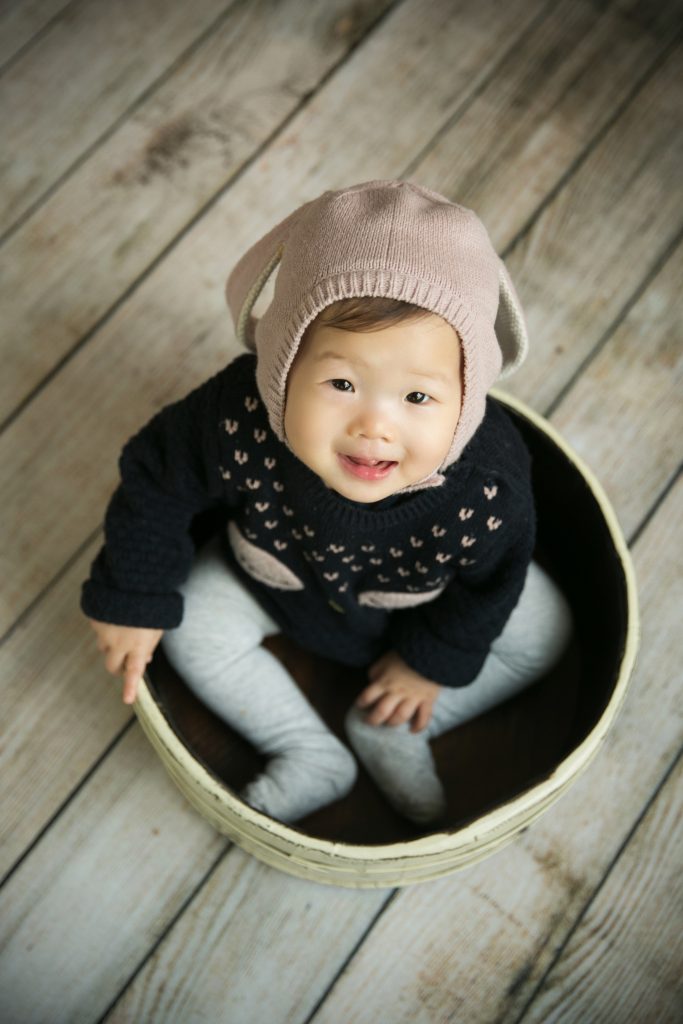
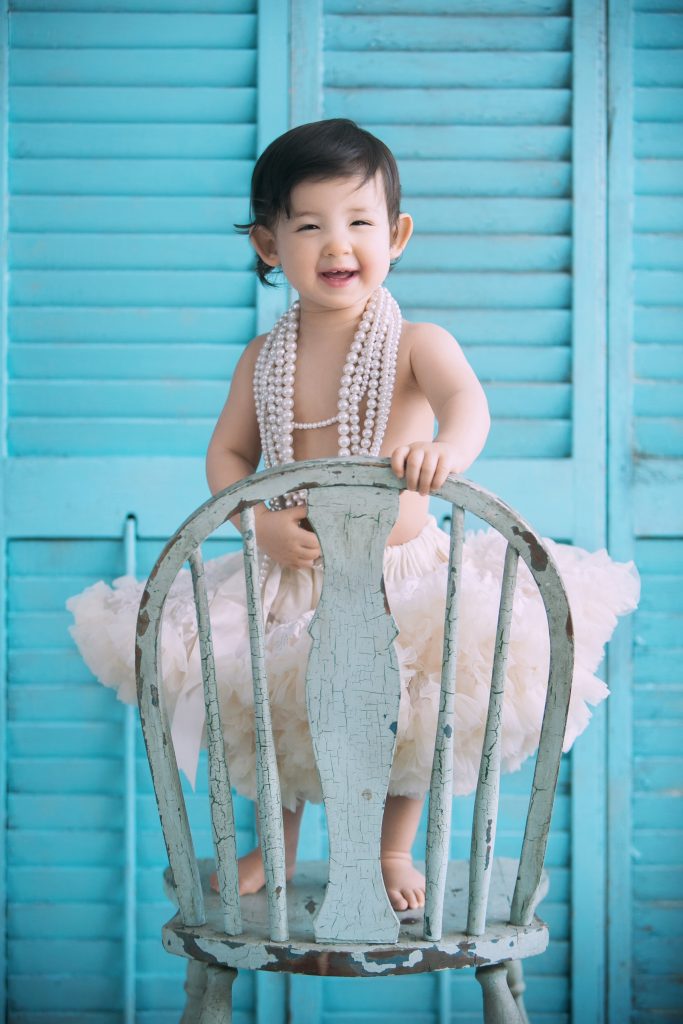
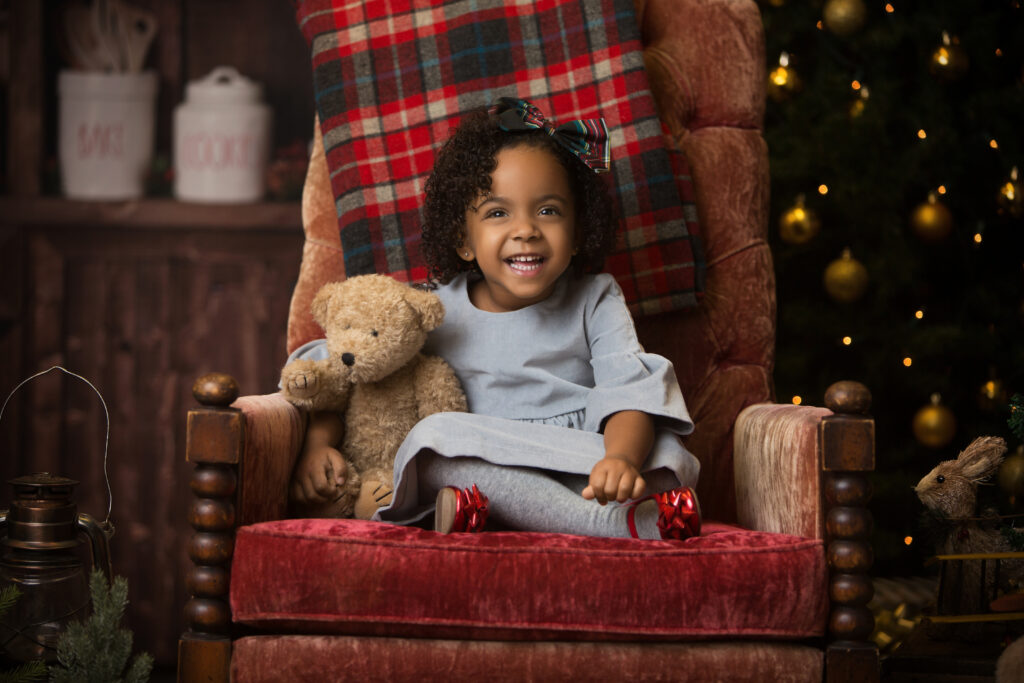
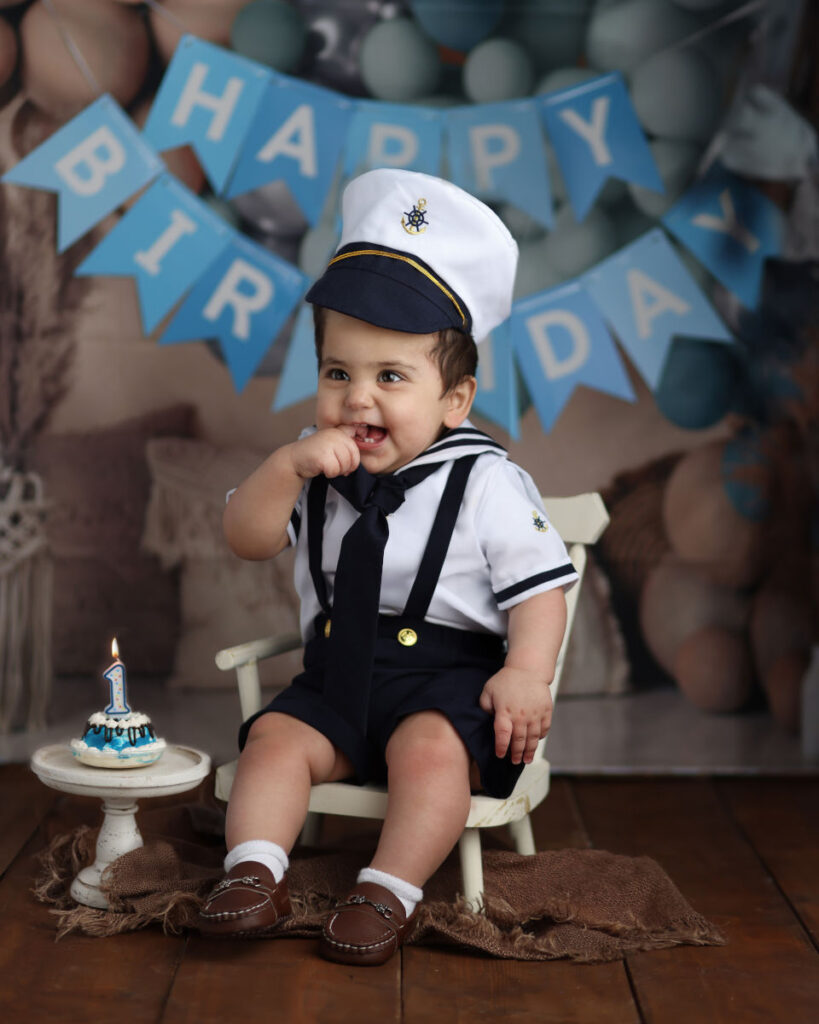
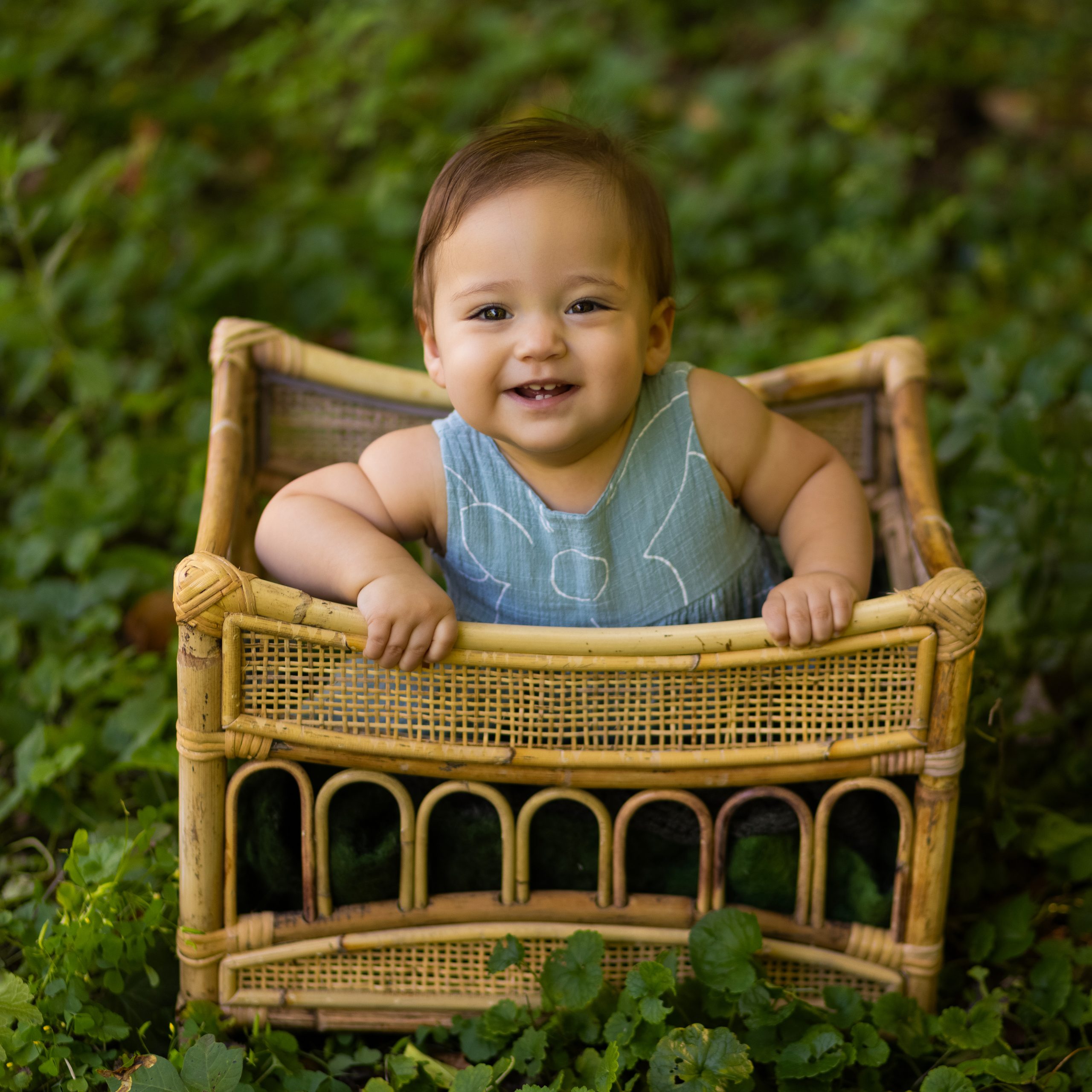
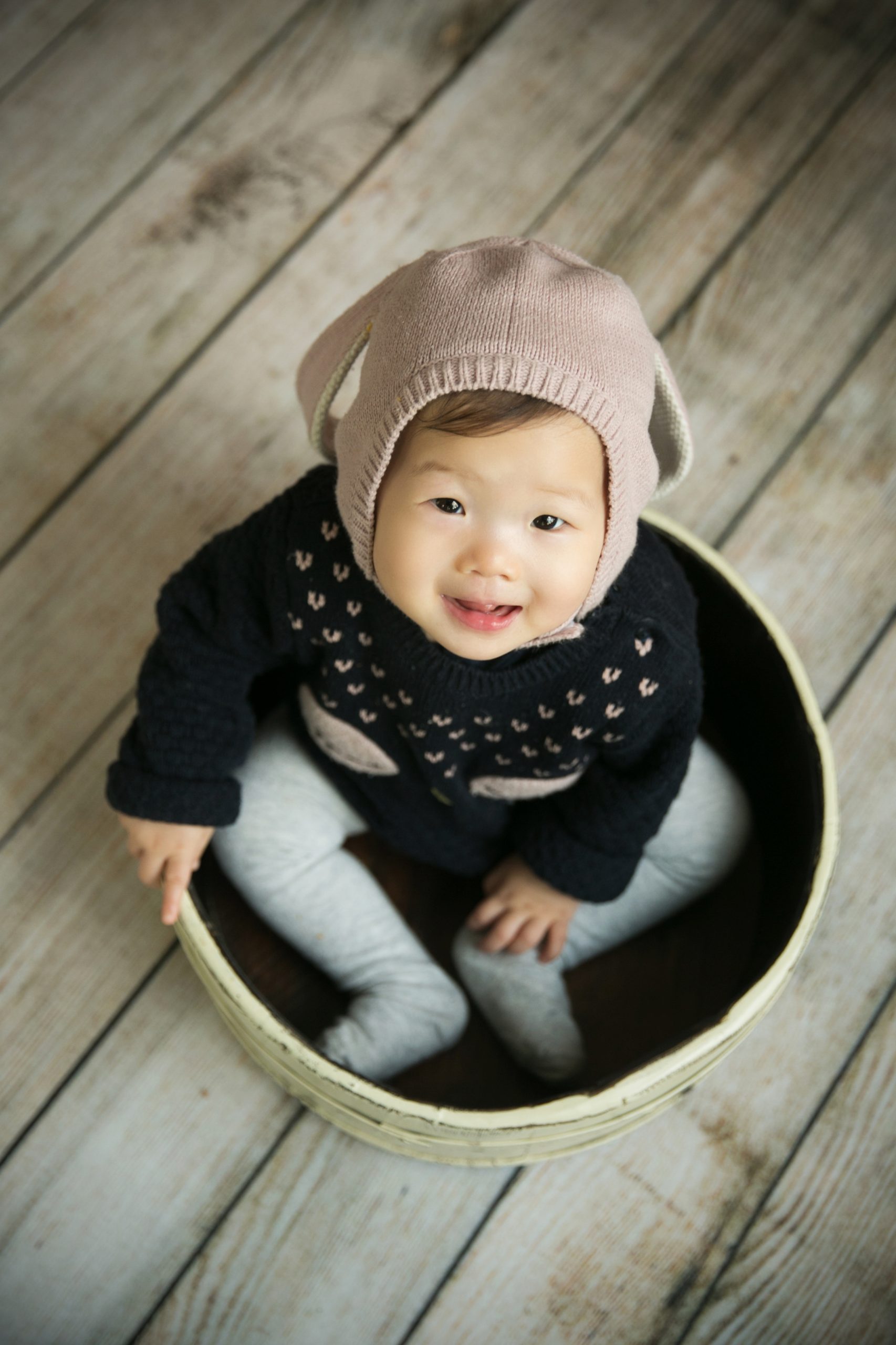
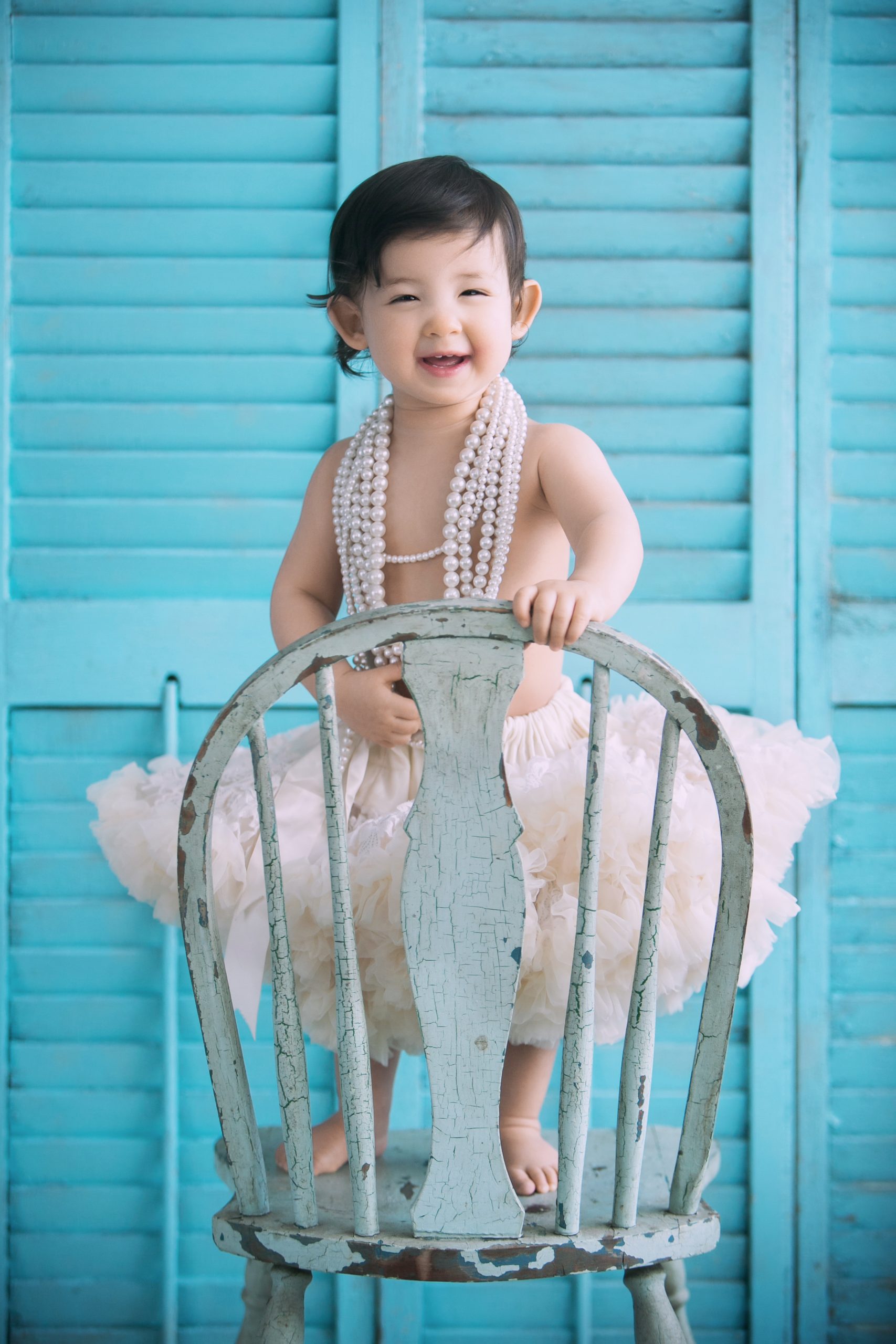
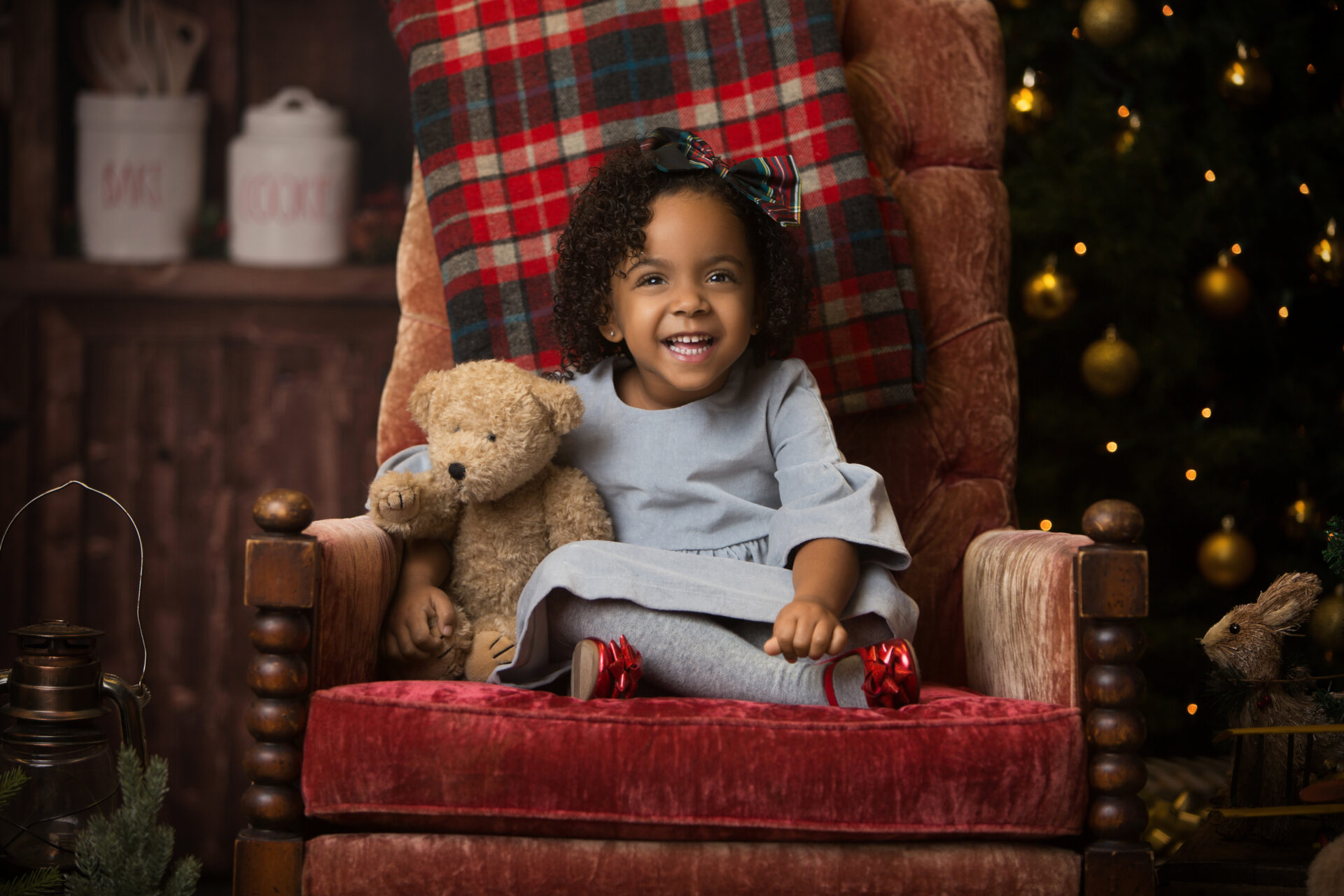
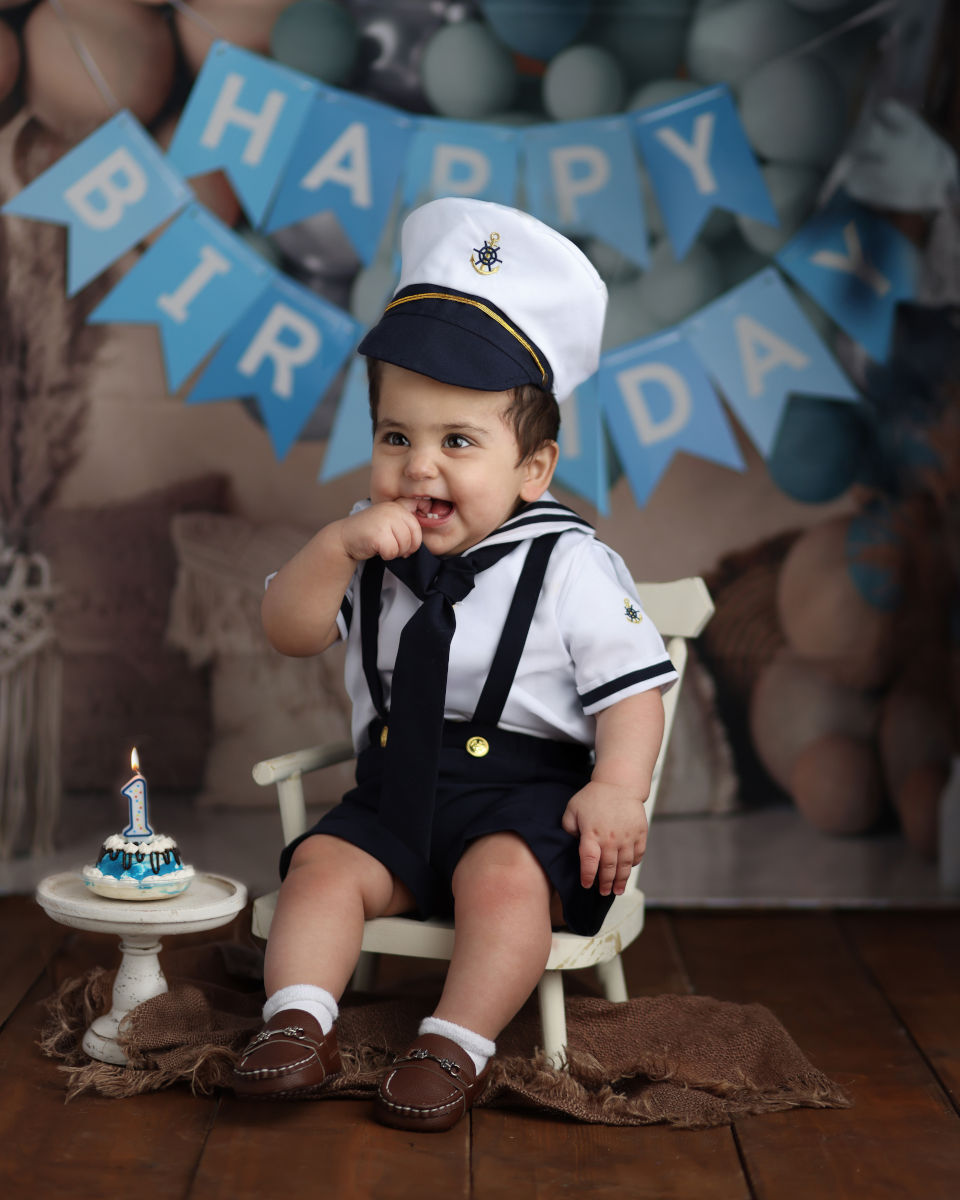
A baby does not need to look at the camera or hold a perfect pose for a portrait to be beautiful. Often, the photographs parents treasure most are the quiet ones: a sleepy curl against your chest, tiny fingers wrapped around yours, a curious glance, or the expression that appears just after a cuddle. If you are wondering how to calm baby for pictures, the kindest answer is not to make your baby perform. It is to create enough comfort, time, and flexibility for them to simply be themselves.
Babies & children are wonderfully honest about how they feel. A full belly, a familiar voice, a warm room, and an unhurried adult nearby can make a meaningful difference. With a little preparation and realistic expectations, picture day can feel much less like a test and much more like a sweet pause in a season that moves far too quickly.
Start With Your Baby’s Natural Rhythm
Whenever possible, schedule photographs around the part of the day when your baby is usually most content. For some babies, that is shortly after their first morning nap. For others, it may be after a good feed in the late morning. There is no universal “best” time because every child has a different rhythm.
Think about patterns rather than aiming for perfection. If your baby typically becomes tired and overstimulated before dinner, an evening session may ask too much of them. If they are happiest after waking, leave enough room to feed, dress, and travel without rushing. A calm parent helps create a calm baby, so protecting your own breathing room matters too.
For newborn portraits, sleep often makes those softly posed, peaceful images possible. Yet even newborns have unpredictable days. A baby who is awake can still create heartfelt images through eye contact, gentle wrapping, and close family connection. The goal is never to force sleep. It is to follow what your baby is comfortable doing safely.
Feed Before the Session, With Time to Settle
A hungry baby has a very clear priority, and photographs can wait. Offer a full feeding before you begin getting ready, then allow time for burping, cuddling, and settling afterward. This is especially helpful for newborns and younger babies who may need frequent feeds.
Avoid feeling that you have to time it down to the minute. Babies often ask for a little more during a session because the environment, movement, and extra attention can be tiring. Bring what you normally use for feeding, whether that is bottles, nursing supplies, or a familiar burp cloth. A brief feeding break is not a disruption. It is part of caring for your child.
If your baby is prone to spit-up, pack an extra outfit for them and a simple backup top for yourself. Having options can take away the pressure that turns a small, ordinary baby moment into a stressful one.
Make Comfort More Important Than a Perfect Outfit
A lovely outfit should never come at the expense of comfort. Choose clothing that fits well, allows easy movement, and does not have scratchy tags, stiff waistbands, or unfamiliar accessories that may irritate your baby. For younger babies, soft textures and easy layers tend to photograph beautifully while helping them stay cozy.
It can also help to dress your baby shortly before photographs begin, especially if they are in a special outfit. This reduces the chance of a spill or a fussy struggle during travel. If changing clothes causes tears, pause and cuddle rather than trying to push through quickly. A few extra minutes of connection are more valuable than a perfectly smooth transition.
Parents sometimes worry that a baby’s comfort item will spoil the image. In reality, a favorite blanket, lovey, or pacifier may be exactly what helps your child feel secure. We can often begin with it, then gently set it aside if your baby is ready. And if it needs to stay, that is okay too. It is part of their story right now, which as an artist is precisely what I strive for as I click the shutter.
How to Calm Baby for Pictures in the Moment
When fussiness appears, begin with the familiar. Your baby knows your voice, your scent, and the way you hold them. Pick them up, sway slowly, speak softly, or offer a feed if they need one. Trying to entertain a distressed baby with loud noises or constant movement can sometimes add more stimulation when what they truly need is a reset.
For babies who are old enough to engage, simple play works best. Peekaboo, a favorite song, gentle clapping, or letting them investigate a safe, interesting texture can bring out natural expressions. Rather than repeatedly asking them to smile, respond to what already delights them. The camera can wait for that genuine reaction.
A professional baby photographer will also adjust the pace. Sometimes the best next photograph happens after a diaper change, a few minutes in a parent’s arms, or an entirely different setup. Babies do not follow a shot list, and a relaxed session should leave room for that.
Keep the Environment Soft and Unhurried
Babies can become overwhelmed by a room full of new faces, bright activity, and too many voices at once. Before the session, keep the lead-up as peaceful as you can. If you are photographing at home, choose a comfortable space with a little visual calm and ask family members to give baby room to warm up.
In a studio, a thoughtfully prepared environment can help remove many variables. A warm space is especially useful for sleepy newborn portraits, while a quieter atmosphere helps babies settle. At Alternate Angles Photography, the session pace is guided by the baby, with time built in for soothing, feeding, and the small breaks real family life requires.
Try not to apologize if your baby cries or needs a pause. Every photographer who specializes in babies expects it. Crying is communication, not misbehavior, and responding to it promptly helps your baby regain trust in the experience.
Let Connection Carry the Portrait
One of the easiest ways to settle a baby is to bring them close to the people they know best. Hold your baby against your shoulder, kiss their hair, let them grip your finger, or sit together with them safely supported in your lap. These positions are naturally comforting, and they create photographs with emotional depth.
This can be a relief for parents who worry they are not camera-ready. You do not need to stare at the lens in every image. Looking at your baby is often more meaningful. Your hands, your smile, and the way your child relaxes into you tell the story of this fleeting chapter far better than a forced expression could. Personally, I strive for connection in family photographs and looking at one antoher is one method for success.
For active sitters and toddlers, expect movement. Letting a child crawl, stand with support, or explore a small area can be more successful than insisting they stay in one place. The trade-off is that the images may be less formally posed, but they often feel more alive and true to who your child is at this age.
Bring a Few Helpful Familiar Items
You do not need to arrive with a bag full of distractions. Too many choices can make things harder. A small, thoughtful selection is usually enough: feeding supplies, diapers and wipes, a spare outfit, a favorite comfort item, and one quiet toy that reliably captures your baby’s attention.
If you use a pacifier, bring it without guilt. It can be an excellent settling tool between photographs, particularly for newborns. Your photographer may remove it briefly once baby is deeply asleep or content, but there is no reason to withhold something that helps them regulate.
For older babies, save the most exciting toy or snack for later rather than introducing it immediately. A new sound, a beloved song, or a tiny bite of an approved snack can help renew interest after they have been working hard. Just avoid sticky or brightly colored foods right before close-up portraits if you can.
Release the Need for a “Good” Baby
Many parents arrive worried that their baby will be the one who does not cooperate. The truth is, there is no such thing as a bad session because a baby needed to be held, fed, changed, or comforted. Those needs are normal. They are also temporary, even when they feel very big in the moment.
Some sessions bring sleepy newborn images. Others bring bright eyes, open-mouthed laughter, serious little faces, and tender parent-and-baby moments. Each version has value. The most successful photographs are not the ones where everything goes exactly to plan. They are the ones that preserve the feeling of your family as you are right now.
Come prepared, leave room for breaks, and trust that your baby does not need to do anything extraordinary to be worth remembering. In your arms, with the people who love them most, they already are.