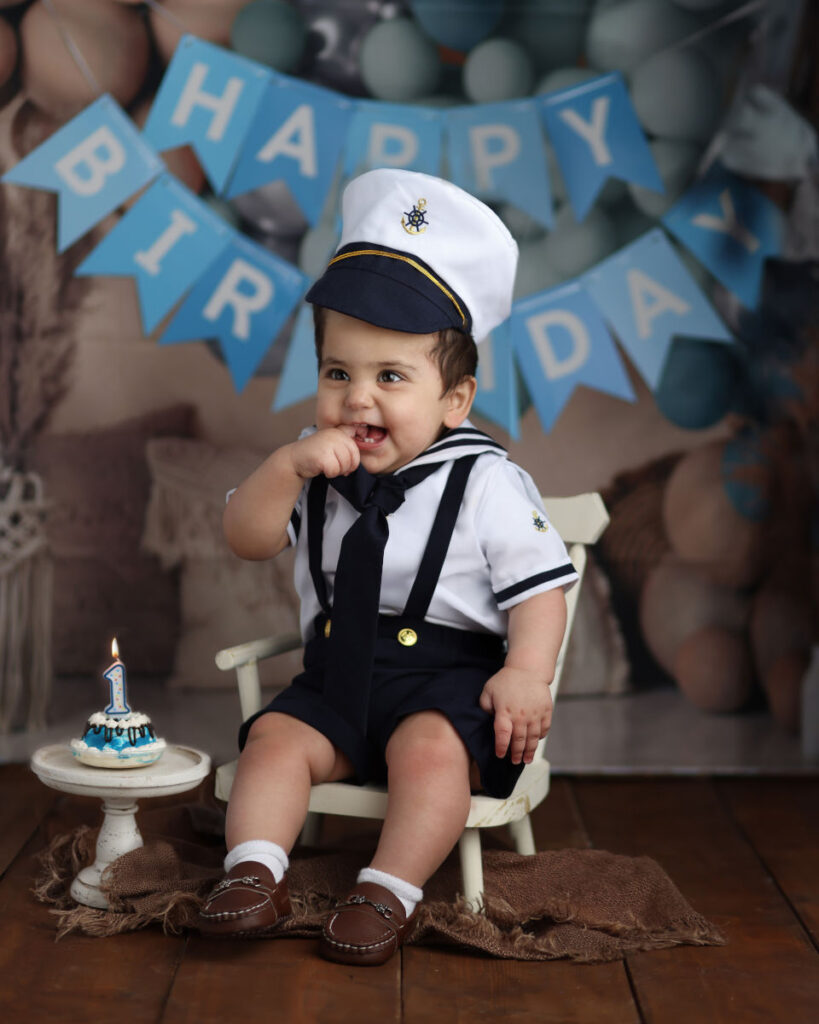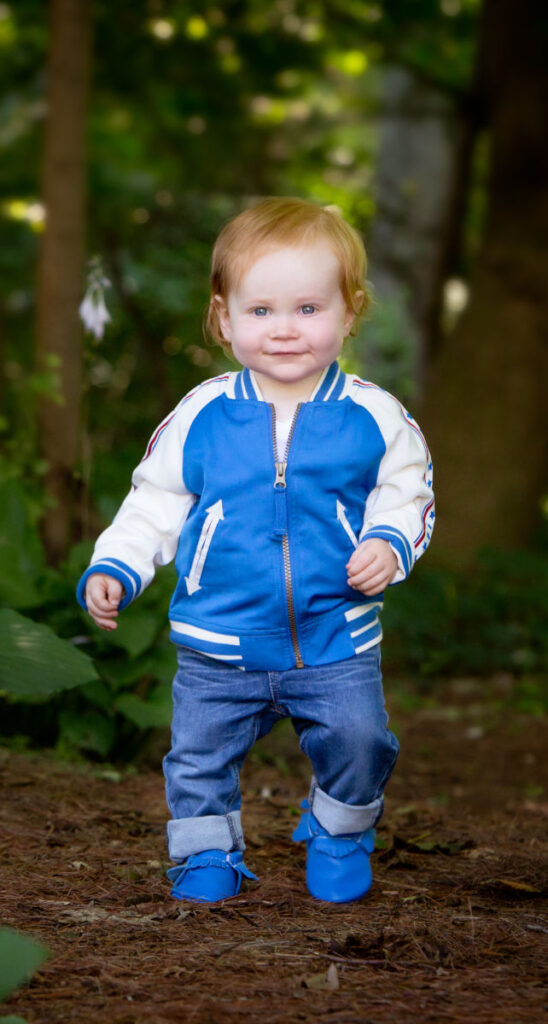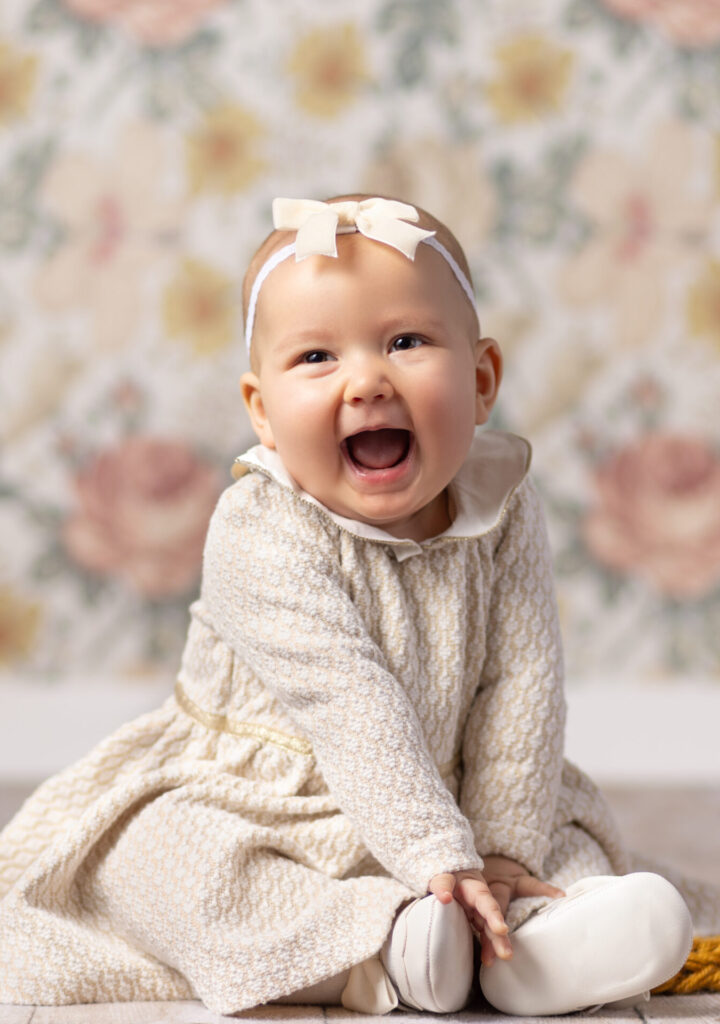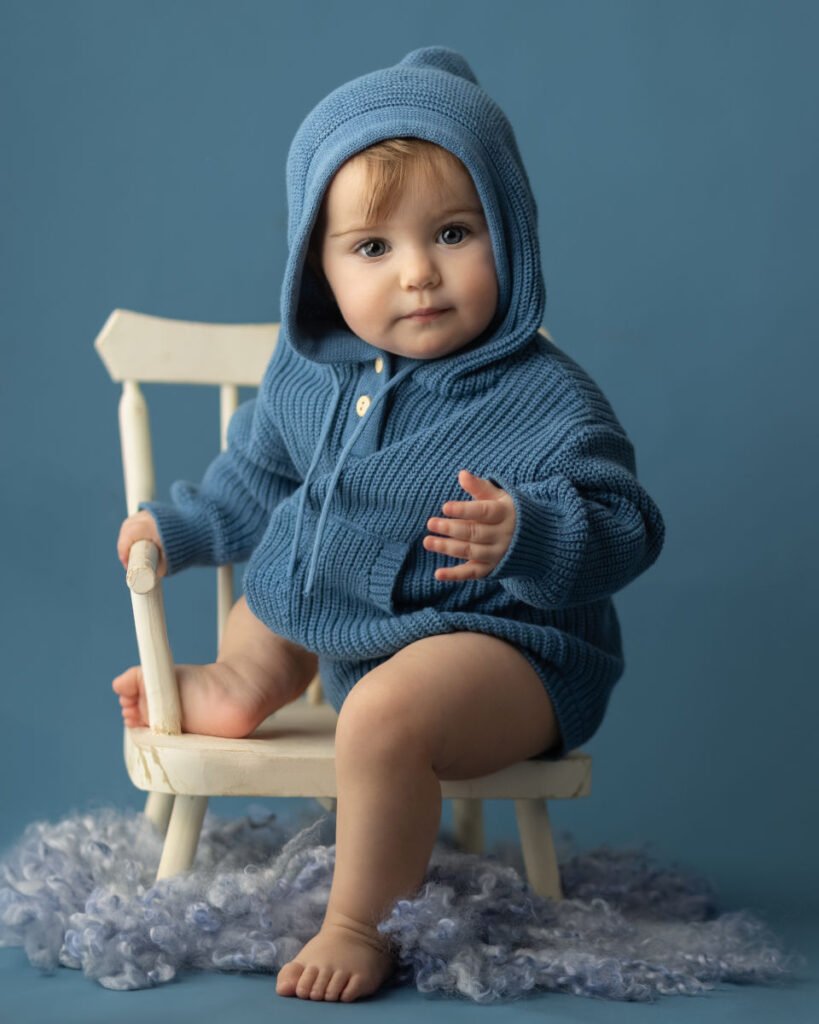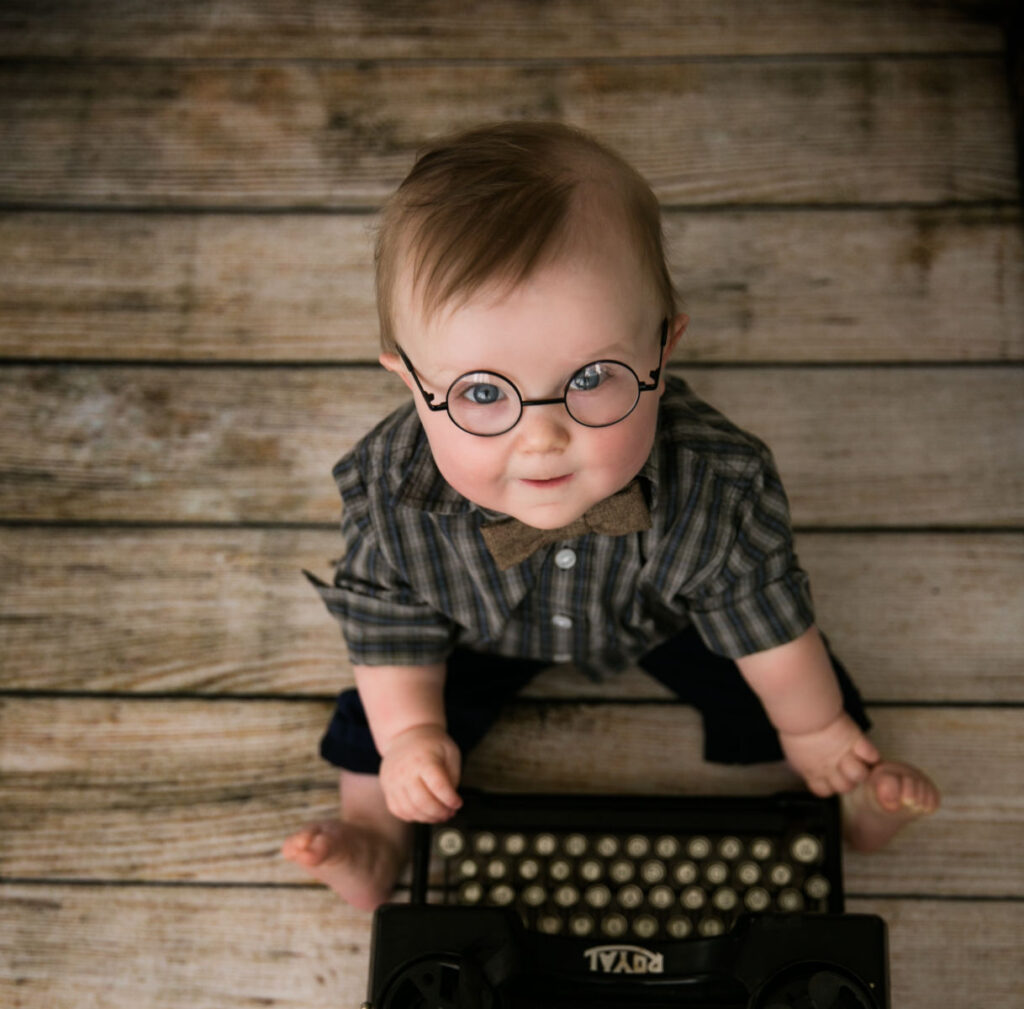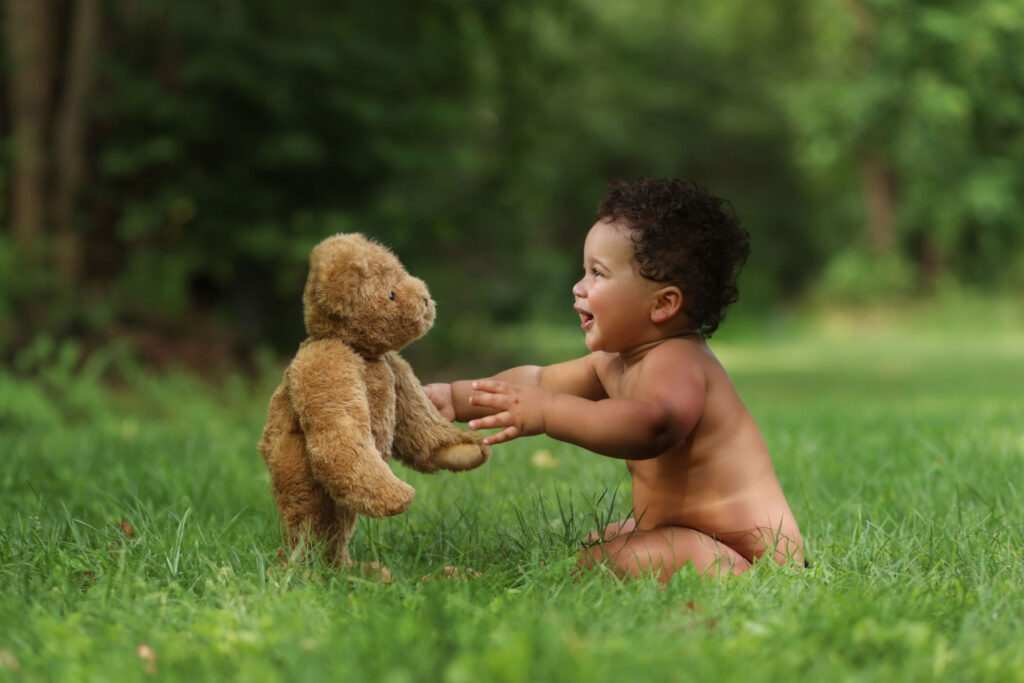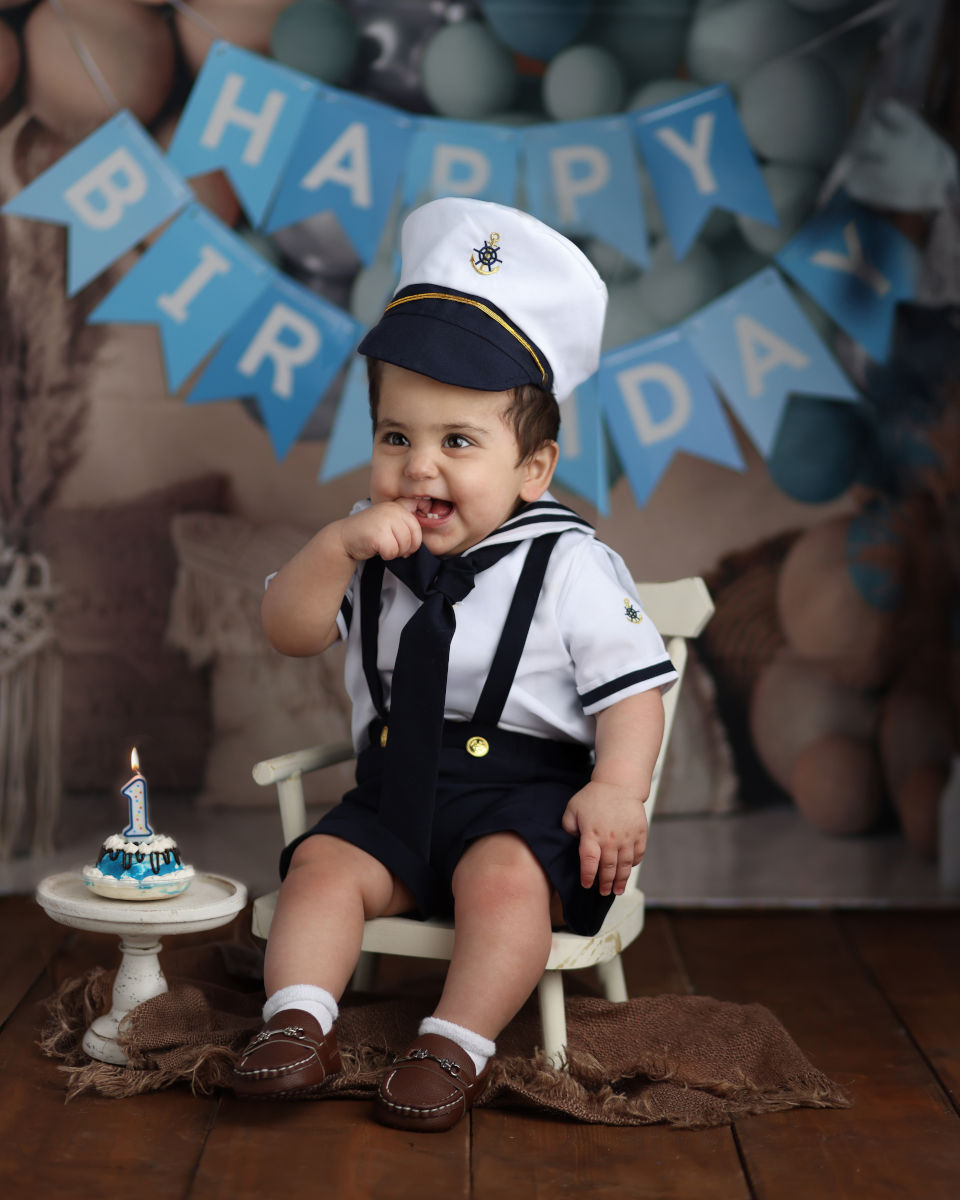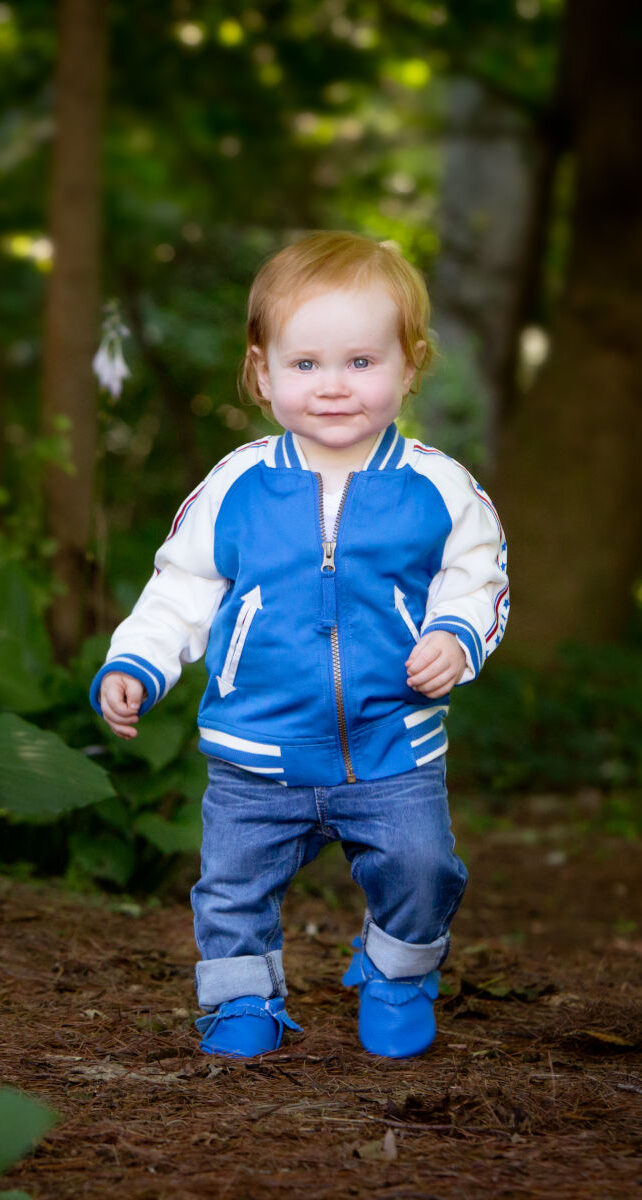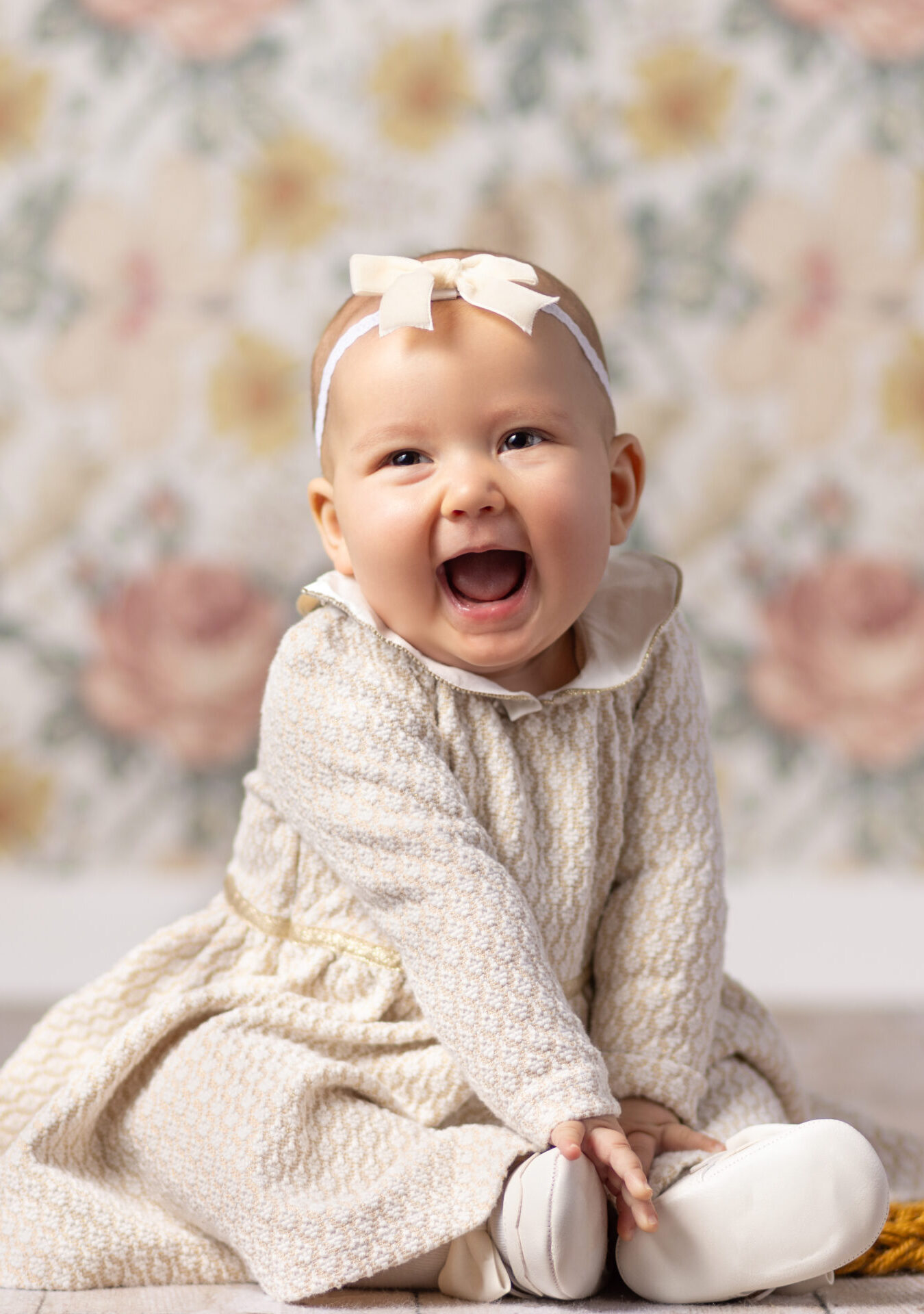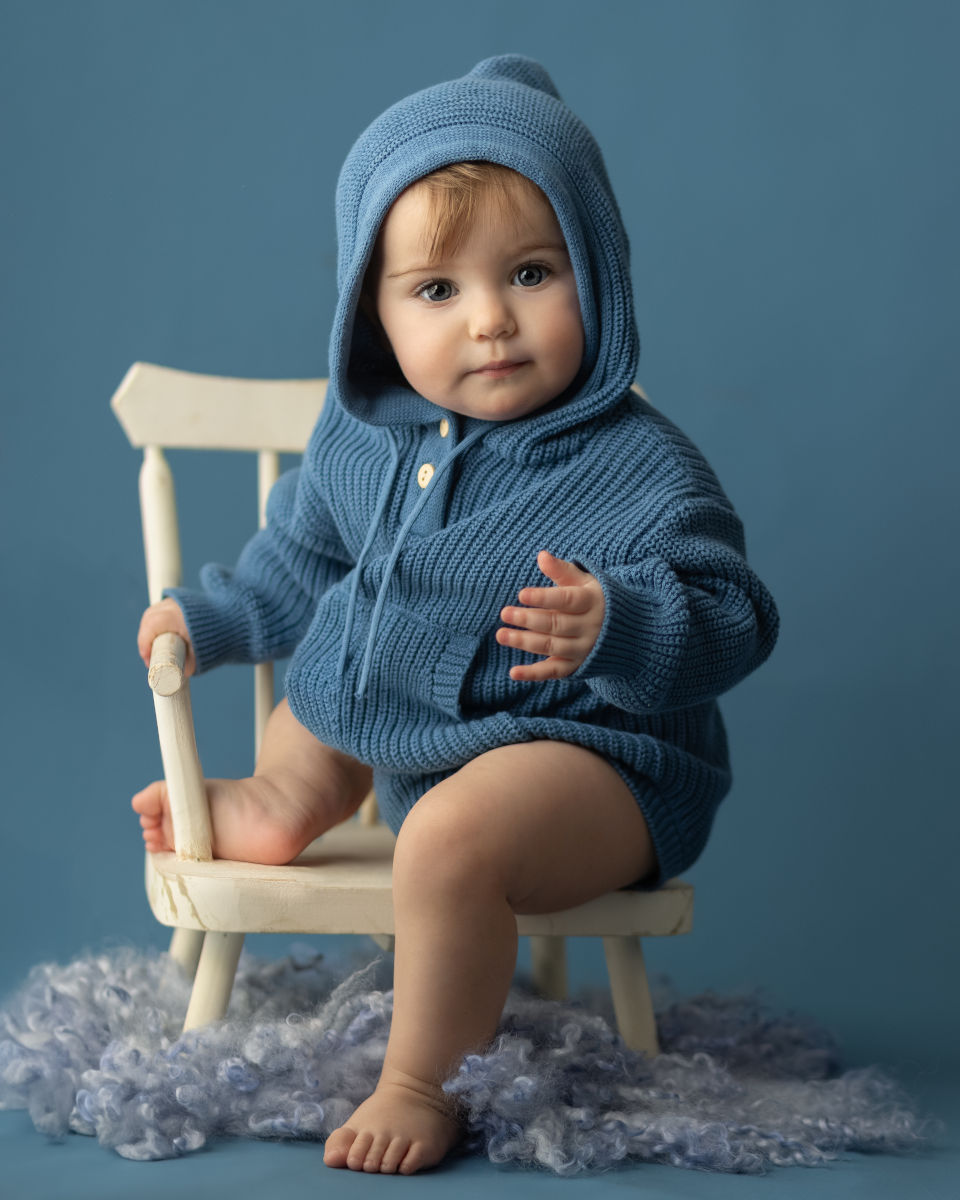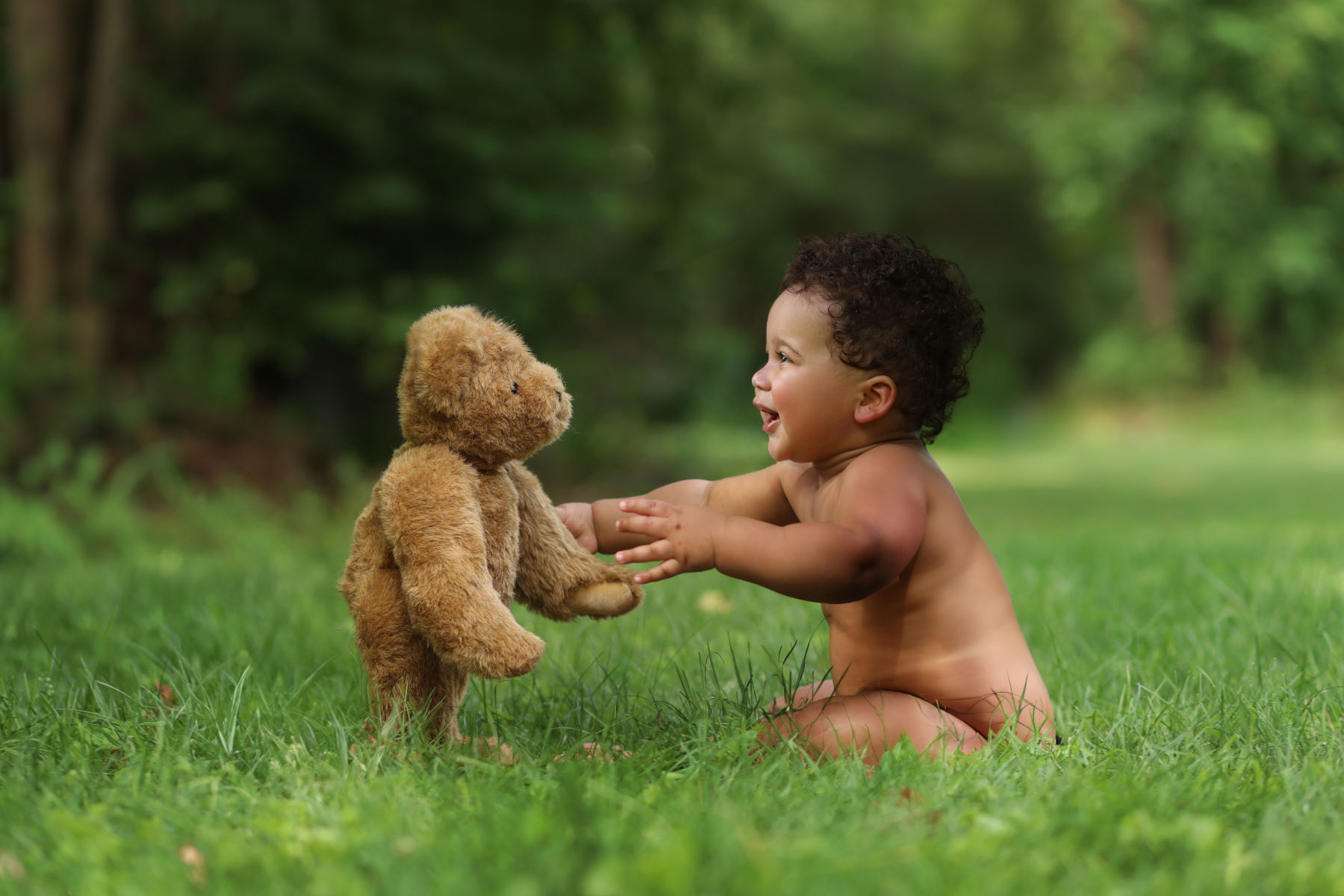
That tiny curl at the nape of their neck, the determined way they grip a favorite toy, the first unsteady sit without support – these details change before you have time to realize they are gone. Learning how to take baby milestone pictures is less about creating a perfect set and more about noticing who your baby is right now.
The most meaningful milestone portraits do not require a baby who smiles on cue or a home that looks like a magazine spread. They need a little preparation, soft light, and enough patience to let your child lead the moment. Whether you are taking a few pictures at home or preparing for a professional session, a calm approach will always show in the final images.
Choose the Milestones That Matter to Your Family
Your baby’s first year is full of visible change. While every family’s story is different, many parents choose to document a few natural turning points: the sleepy newborn days, tummy time, sitting independently, crawling, standing, and that joyful first birthday.
There is no need to photograph every month if it adds pressure to an already full season of life. For some families, three to four sessions during the first year feels right. Others love seeing the complete progression through monthly photographs. The best rhythm is the one you can enjoy and sustain.
Try to focus on development rather than a date on the calendar. A six-month-old who is not sitting yet has not missed a photographic opportunity. Their bright eyes, chubby hands, growing curiosity, and expressions are just as worthy of being remembered. Milestone pictures should celebrate your baby as they are, not ask them to meet a schedule.
How to Take Baby Milestone Pictures With Beautiful Light
Light is often the biggest difference between a snapshot and a portrait that feels warm and timeless. At home, begin near a large window during the brightest part of the day, ideally when direct sun is not pouring in. Sheer curtains can soften harsh light beautifully.
Place your baby so the window light falls across their face from the side or slightly in front of them. Avoid putting them directly in front of the window, which can leave their face in shadow. Turn off overhead lights when possible, since mixed lighting can create yellow or green tones in skin.
You do not need to own a professional camera. A phone camera can create lovely images when the light is right. Clean the lens first, tap your baby’s face on the screen to set focus and exposure, and take several frames. Babies move quickly, even when they seem still.
If your home has limited natural light, do not force a difficult setup. A professional studio session can offer consistent, flattering light without requiring you to rearrange furniture or chase the sun around nap time.
Keep the Setup Simple and Safe
A simple setting helps your baby remain the center of the picture. Choose one comfortable surface, such as a clean quilt on the floor, a neutral rug, or a securely supported chair for an older baby. Soft creams, warm whites, gentle pastels, and muted earth tones tend to keep photographs feeling classic long after a trend has passed.
Be thoughtful with props. One meaningful item – a favorite stuffed animal, a family blanket, or a small wooden toy – can tell a story. Too many props can distract from your child’s face and make the image feel busier than the memory itself.
Safety always comes before the photograph. Babies should never be left unattended on a bed, chair, table, or elevated prop. For sitting portraits, stay close enough to support them immediately. If a pose requires a baby to balance in a way that feels uncertain, choose a different pose. A relaxed baby and a watchful parent will create a better image than a risky setup ever could.
Dress for Comfort, Not Perfection
An outfit should allow your baby to move, breathe, and be themselves. Soft fabrics, well-fitting rompers, simple bloomers, and classic knit pieces photograph beautifully. Avoid clothing with large logos or very busy patterns, which can pull attention away from your baby’s expression.
Bring or set aside a backup outfit. Drool, milk, diaper leaks, and snack-related mishaps are part of life with a baby, not a failure of preparation. Sometimes the sweetest image is the one taken after the plan changes – bare toes, a wrinkled onesie, and a little bit of real life included.
For family pictures, coordinate rather than match. Choose a small palette of complementary colors and textures. Parents often worry they need to look fully camera-ready, but your baby will not remember whether your hair behaved. They will have photographs that show they were held, adored, and part of a family from the beginning.
Work Around Your Baby’s Natural Rhythm
The timing of a milestone session matters more than the time printed on an invitation. Plan photographs after a nap and feeding, when your baby is most comfortable and alert. For many babies, that means the morning. For others, the best window may be later in the day.
Give yourself more time than you think you need. Rushing is one of the quickest ways to make babies and parents feel unsettled. Begin with a few minutes of play on the floor. Sing a familiar song, make eye contact, or let your child explore the safe area before reaching for the camera.
If your baby becomes overwhelmed, pause. A snack, cuddle, diaper change, or short reset may be all they need. Not every child responds to silly noises or looks directly at the camera, and that is completely okay. A serious gaze, a curious profile, or the way they reach toward you can be more revealing than a posed smile.
Capture the In-Between Moments
Once you have the image you had in mind, keep shooting. The in-between moments often become family favorites: your baby looking back at you for reassurance, laughing at peekaboo, examining their toes, or resting their head on your shoulder.
Move closer for details. Photograph their eyelashes, hands, feet, soft cheeks, and the way their fingers wrap around yours. Take a wider frame, too, with the room or blanket around them. Those wider images preserve a sense of place, while close-up portraits preserve the little features you may struggle to remember years from now.
Try both vertical and horizontal frames. Vertical images are wonderful for portraits and wall displays, while horizontal images leave room for your baby’s movement and work beautifully in albums. Variety gives you more options without making the session feel complicated.
Let Personality Be the Goal
A milestone photograph does not need to prove that your baby can sit perfectly, crawl quickly, or wear a pristine outfit. Its job is to hold onto a season that is already moving too fast.
Some babies are quiet observers. Some are delighted by every new sound. Some want to crawl directly toward the camera, while others need the comfort of a parent just beyond the frame. Make room for all of it. When photographs reflect your child’s real temperament, they become more meaningful with time.
For families who want a more supported experience, recurring milestone sessions can also remove the burden of starting from scratch every few months. At Alternate Angles Photography, thoughtful planning, gentle direction, and a baby-led pace help parents relax into the experience while their child’s first-year story unfolds naturally.
The best picture may not be the one where everyone is looking at the camera. It may be the frame where your baby reaches for you, bursts into a laugh, or settles into your arms. Keep that one. It is evidence of a fleeting season, and of how deeply they were loved while they grew.